Tyre Pressure, Rolling Resistance and the Real Cost of Under-Inflation
How tyre pressure changes rolling resistance, how much fuel under-inflation really costs, and how to set pressures for load, temperature and long drives.
Cold air is denser, winter fuel is different and short trips never warm the engine. Here is where the litres actually go, and which fixes are worth the effort.
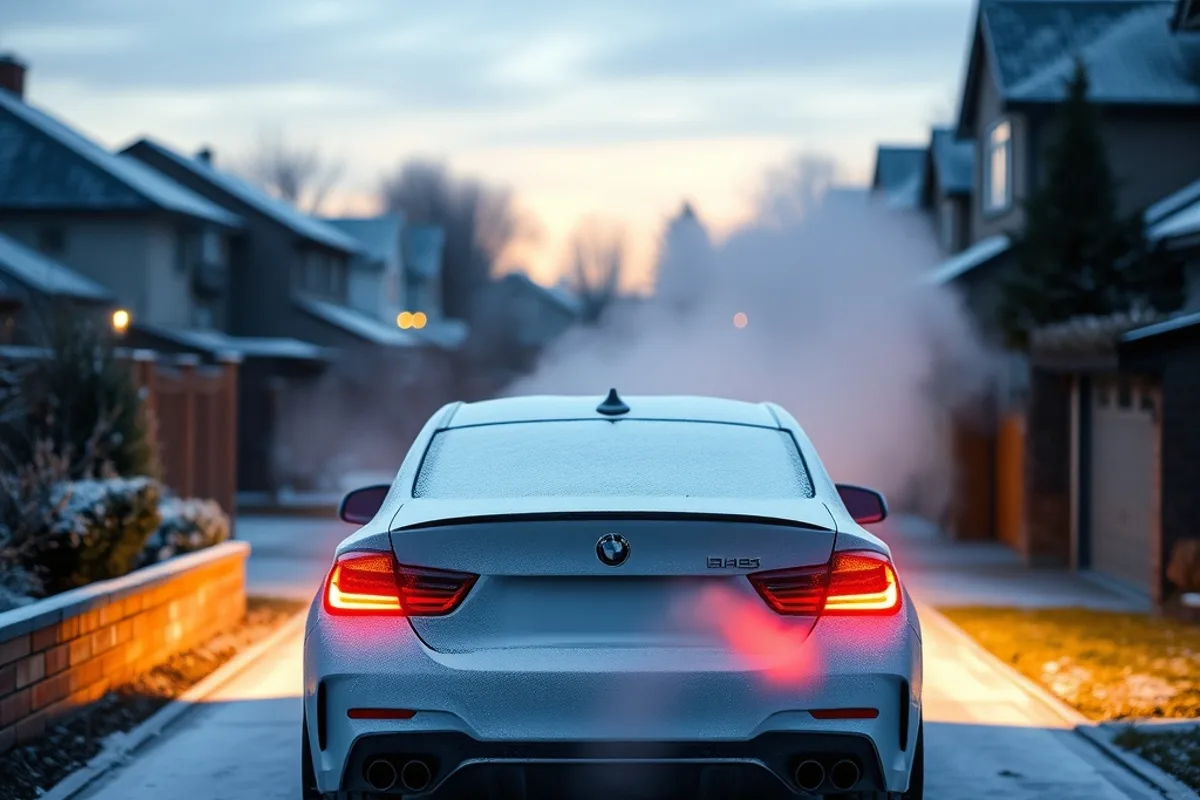
Every winter, fuel consumption climbs and every winter someone blames the fuel company. Some of that is fair: winter petrol blends really do contain less energy, and cold air really does increase drag. But most of the increase comes from how the car is used and how long it spends warming up.
This article separates the physical causes from the habits, with numbers you can check against your own fuel log.
Cold air is denser, so aerodynamic drag rises. At highway speed, that is a measurable but modest effect, perhaps 1 to 3 percent. Cold fluids are thicker, so transmission and differential drag increase until the car warms up. Winter tyres have softer compounds and more aggressive tread, both of which raise rolling resistance.
Winter fuel blends are formulated for volatility, so the engine starts reliably in low temperatures. In many markets, the blend contains more butane and other light components, which lowers energy density. The effect is typically 2 to 5 percent, not the 20 percent some drivers assume.
Then there is the engine itself. A cold engine runs rich to keep combustion stable and to heat the catalytic converter. It also loses more heat to the cooling system and the cabin heater. Until coolant and oil reach operating temperature, efficiency is well below normal.
This is the dominant factor. A 5 km trip in winter may never bring the engine to full temperature. The car spends the entire journey in enrichment mode, the heater pulls heat out of the coolant, and the battery is working harder to run lights, wipers and defrosters. Fuel economy on that trip can be 30 to 50 percent worse than the same trip in summer.
There is no additive or driving trick that fixes this. The solutions are structural: combine errands into one longer trip, use a block heater where available, or accept that short winter journeys are expensive by design.
If you do a lot of short trips, consider a plug-in hybrid or an electric car for those journeys. An EV uses cabin pre-conditioning rather than an idling engine, and a PHEV can run on electric power before the engine is warm. The economics depend on local electricity prices, but the efficiency argument is strong.
Idling burns fuel at roughly 0.5 to 1.0 litres per hour in a modern four-cylinder car, more in a large engine. Ten minutes of idling every morning for five months is around 25 hours, or 12 to 25 litres, with zero distance travelled. It also warms the engine more slowly than driving gently, because there is no load.
Modern engines do not need long idle warm-ups. Start the car, let the oil pressure build for 20 to 30 seconds, clear the windows and drive gently. The engine warms faster under light load, and the cabin heater works sooner. If you need heat for visibility, use the defroster while driving rather than sitting in the driveway.
Remote start is convenient and it is still idling. Use it for two or three minutes to clear frost, not for ten minutes to make the cabin cosy. The fuel and emissions cost is real, and in some jurisdictions idling is restricted.
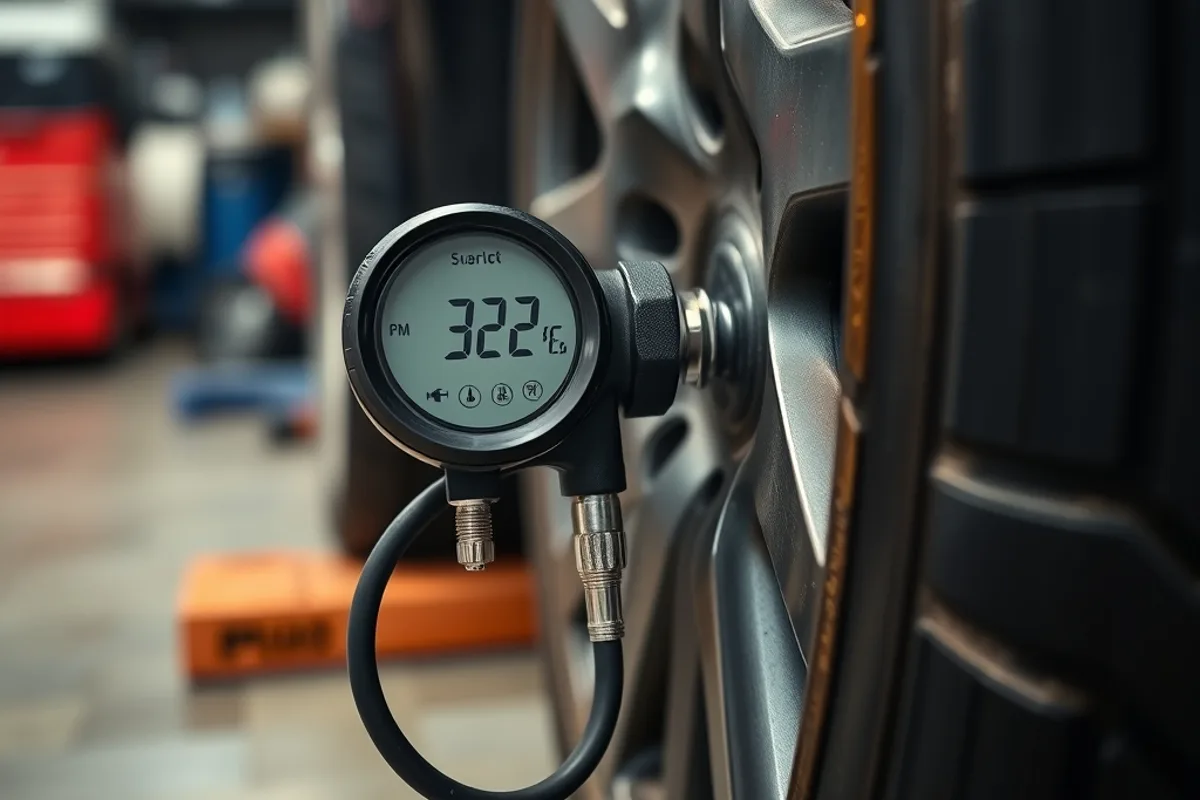
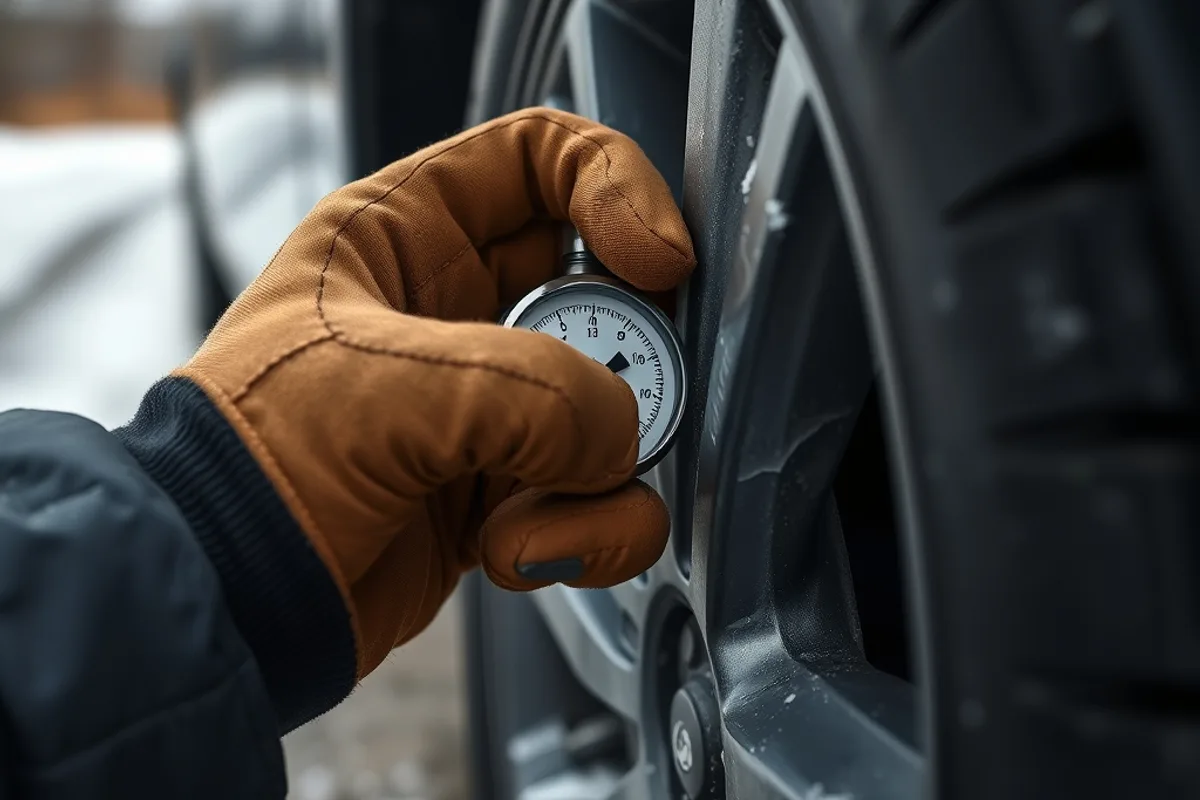
Tyre pressure falls as temperature drops, roughly 1 psi for every 10 F (about 5.5 C). A tyre set to 35 psi in summer may sit at 31 psi on the first cold morning. Under-inflation increases rolling resistance and heat, and it wears the shoulders faster.
Check pressures monthly, in the cold, and set them to the vehicle manufacturer’s recommendation on the door jamb, not the maximum on the sidewall. Do not use the tyre’s max pressure as a target. If the car has a direct TPMS display, use it as a prompt, not a substitute for a gauge.
Winter tyres are a separate question. They are safer in cold, wet and snowy conditions, and the rolling-resistance penalty is usually modest. Do not keep them on all summer to save money; the soft compound wears quickly in heat and the fuel penalty grows.
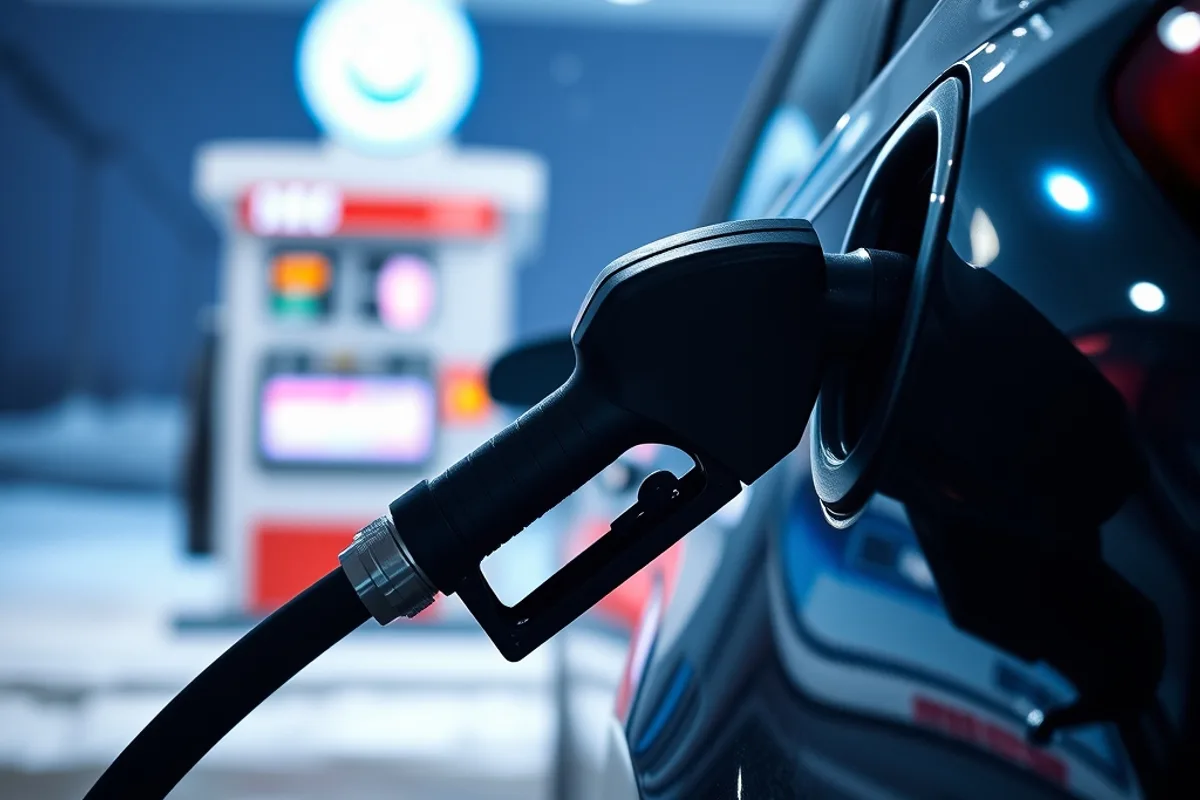
Winter driving involves more braking, more steering and lower speeds. Smoothness helps, but the biggest gains come from avoiding unnecessary stops and keeping a steady speed. Cruise control is less useful on slippery roads; use it only when conditions are clear and stable.
Pre-condition the cabin while plugged in if you have a plug-in vehicle. On a combustion car, use the seat heater and steering-wheel heater before blasting the cabin fan. Heating the seat takes less energy than heating all the air, and it makes a cold cabin tolerable at a lower setting.
Remove unnecessary weight. Winter kit is important, but a boot full of sandbags, tools and roof boxes adds mass and drag. Carry what you need for the conditions and leave the rest at home. A roof box left on all winter can cost several percent in fuel.
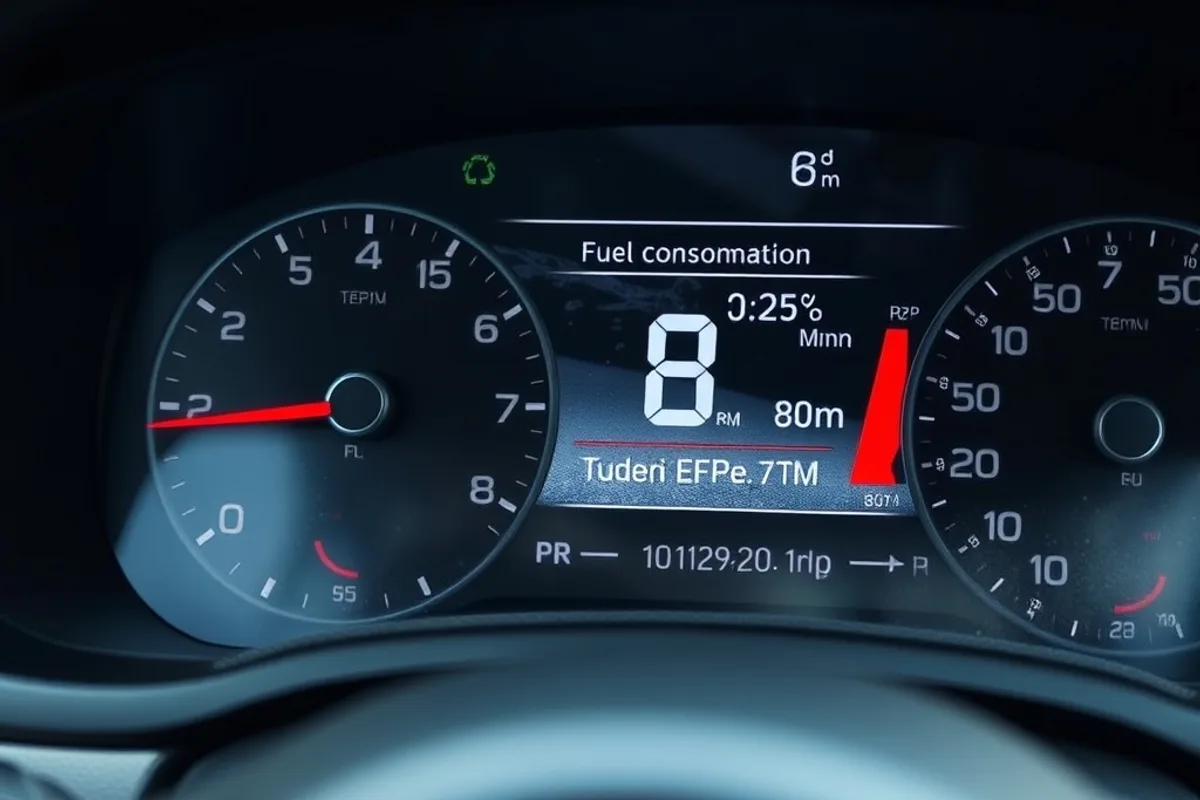
Fuel additives promising better winter economy rarely deliver measurable gains in a healthy engine. Premium fuel does not improve economy unless the engine is designed for higher octane. Blocking the grille can help an older diesel warm up, but it is risky on a modern car with tight cooling margins; do not improvise with cardboard on a vehicle you rely on.
Coasting in neutral does not save fuel in a modern fuel-injected car. In fact, engine braking with the car in gear often cuts fuel entirely, while idling in neutral consumes fuel. Leave the car in gear and let the ECU do its job.
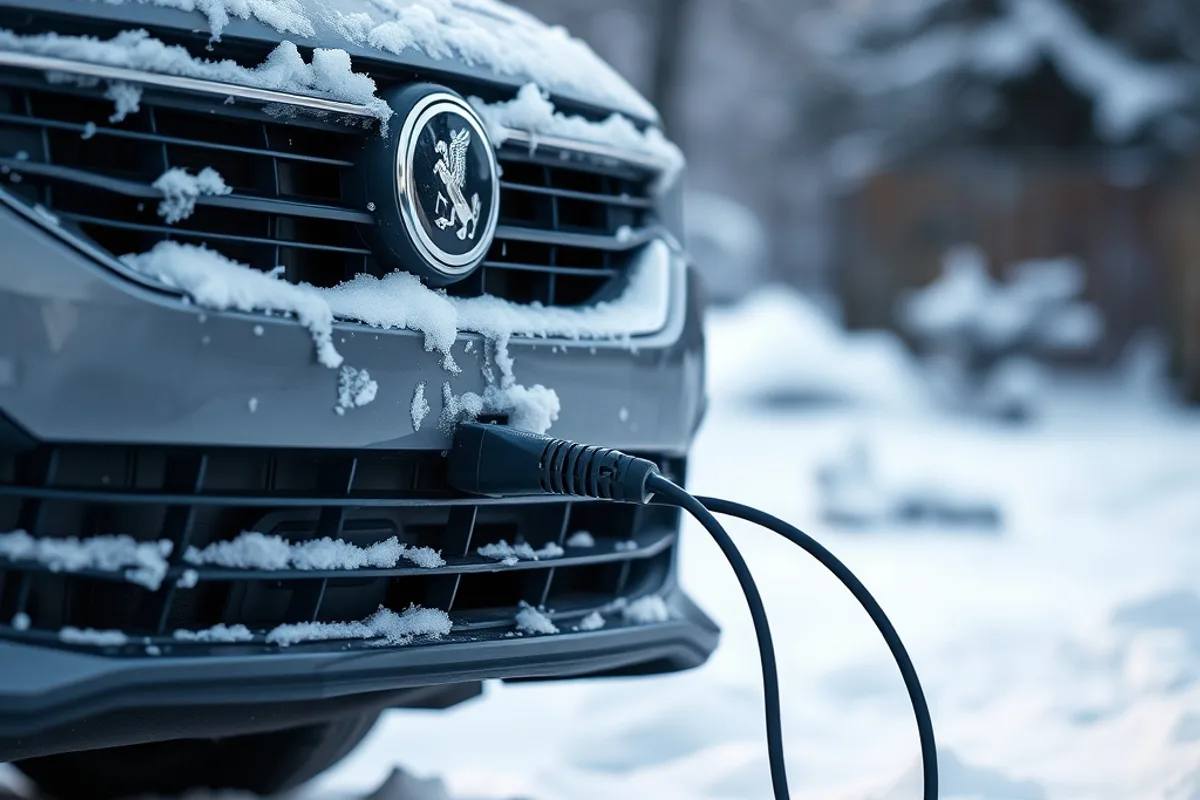
Use the same method every fill: fill to the same point, record litres and distance, and calculate consumption. Do not rely on the trip computer alone; it is usually optimistic by a few percent and can drift with tyre size changes. Track at least three tanks before drawing conclusions.
Compare a winter month with a summer month on similar routes. A 15 percent penalty is normal; 30 percent suggests short trips or a mechanical issue. Once you know your baseline, you can judge whether a change helped. Most winter fuel advice fails because it is never measured.
The practical summary: accept a modest seasonal penalty, attack short trips and idling first, keep tyres correctly inflated, and maintain the cooling system. Those four things account for most of the controllable loss.