
Why Your Fuel Economy Drops in Winter (And What Actually Helps)
A measured look at winter fuel consumption: cold-start enrichment, winter blend petrol, idling, tyre pressure and the habits that recover real economy.
A few psi below spec is easy to ignore and expensive to keep. Here is what under-inflation does to fuel use, wear and safety, with the arithmetic behind it.
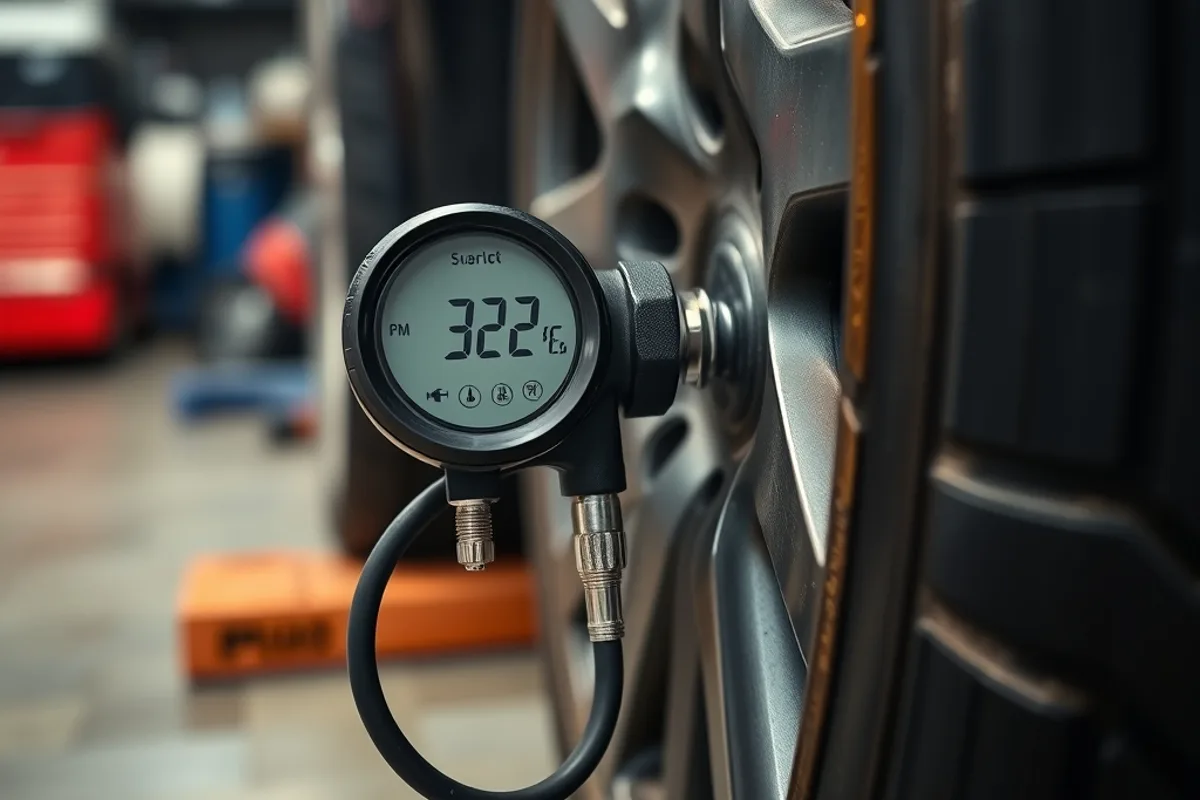
Tyre pressure is the cheapest fuel-efficiency adjustment available, and one of the most neglected. A tyre that is 25 percent under-inflated can increase rolling resistance enough to cost several percent in fuel, while also running hotter, wearing faster and lengthening braking distances. The check takes two minutes; the penalty for skipping it accumulates quietly for months.
This guide explains what rolling resistance actually is, how pressure changes it, and how to set pressures sensibly rather than guessing.
As a tyre rolls, its sidewall and tread deform and recover. That deformation consumes energy, which shows up as heat and as drag on the vehicle. Rolling resistance is the force required to keep the tyre rolling, and it typically accounts for 15 to 30 percent of the energy a car uses at steady speed, depending on velocity and tyre design.
At low speed, rolling resistance dominates; at highway speed, aerodynamic drag takes over. That is why tyre choice and pressure matter most for urban and mixed driving, while a roof box matters most on the motorway.
Pressure changes the shape of the contact patch and the amount of sidewall flex. Lower pressure means more flex, more energy lost as heat, and higher rolling resistance. It also means more tread movement against the road, which accelerates wear.
The US Department of Energy has estimated that properly inflated tyres can improve fuel economy by around 3 percent, and that fuel economy falls by roughly 0.2 percent for every 1 psi drop across all four tyres. Real-world results vary with tyre construction, load and driving mix, but the direction is consistent.
Take a car that averages 7.0 litres per 100 km and covers 15,000 km a year, or 1,050 litres. At 2.5 percent worse economy it uses about 26 extra litres a year, roughly 40 at 1.50 per litre. Over five years that is about 130 litres and 200, before the cost of premature tyre wear. A 5 percent penalty doubles it, which is why a monthly check is worth the two minutes.
The calculation is not an argument for chasing the last psi. It is an argument for checking monthly, because the loss is continuous and invisible until you compare fuel logs.
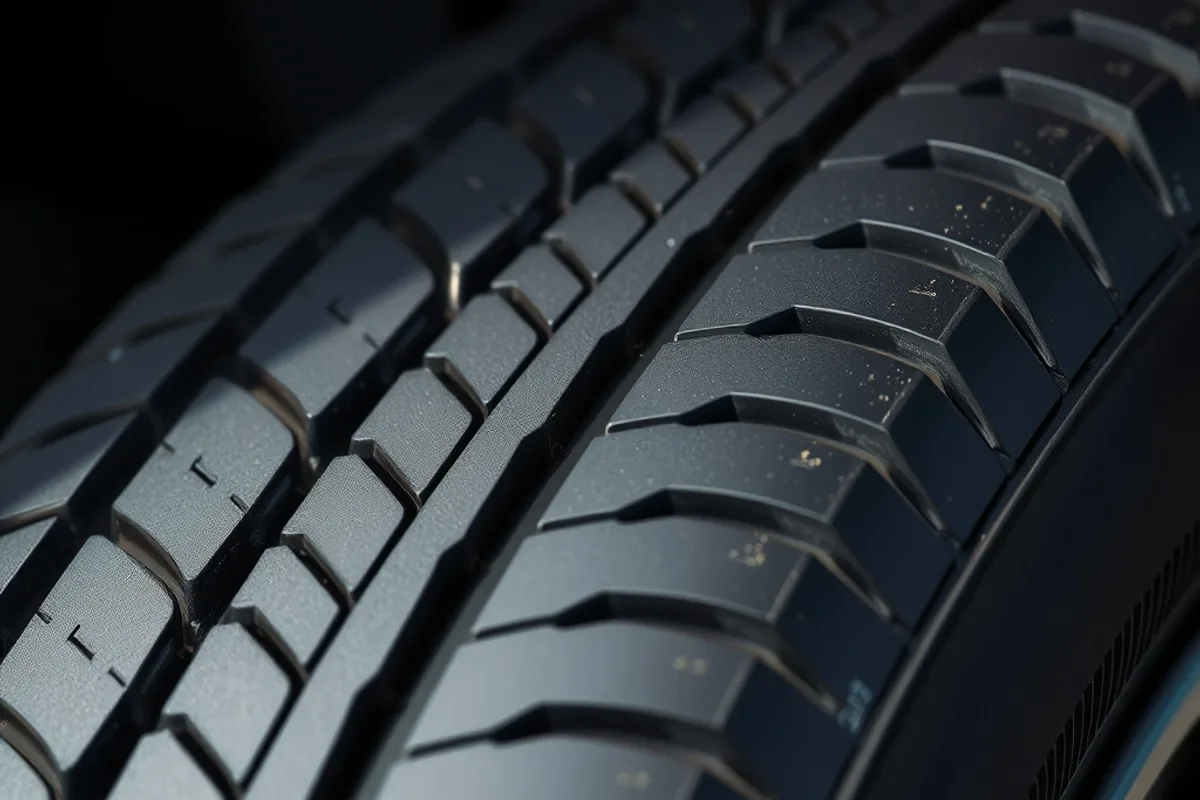
Air escapes slowly through the tyre and valve, typically 1 to 2 psi per month. Temperature adds a larger swing: pressure falls about 1 psi for every 10 F drop. A car set at 35 psi on a warm afternoon can read 31 psi on a cold morning without any leak at all.
Seasonal change is the classic trap. Tyres set in late summer are under-inflated by the first cold snap. If the car has TPMS, the warning may appear only when pressure is already well below the safe range; by then fuel and wear penalties have been accruing.
Alloy wheels can leak at the bead, especially after kerb damage or a tyre change. Valve cores loosen. A tyre that loses 5 psi a week has a problem that a pump will not fix.
Open the driver’s door and read the placard. It lists pressures for normal load and often a higher figure for full load or towing. Use the normal figure for daily driving and the higher figure when the car is heavily loaded. The number on the tyre sidewall is a maximum, not a recommendation.
Measure cold, meaning before the car has been driven more than a couple of kilometres. If you must measure hot, add about 4 psi to the cold target as a rough guide, then recheck cold later. Do not release air from a hot tyre to match the cold placard; that leaves it under-inflated when it cools.
For long motorway trips with a full car, use the loaded pressure. The extra pressure reduces sidewall flex and heat, and it improves stability. It may slightly reduce comfort, which is a fair trade for a loaded car at speed.
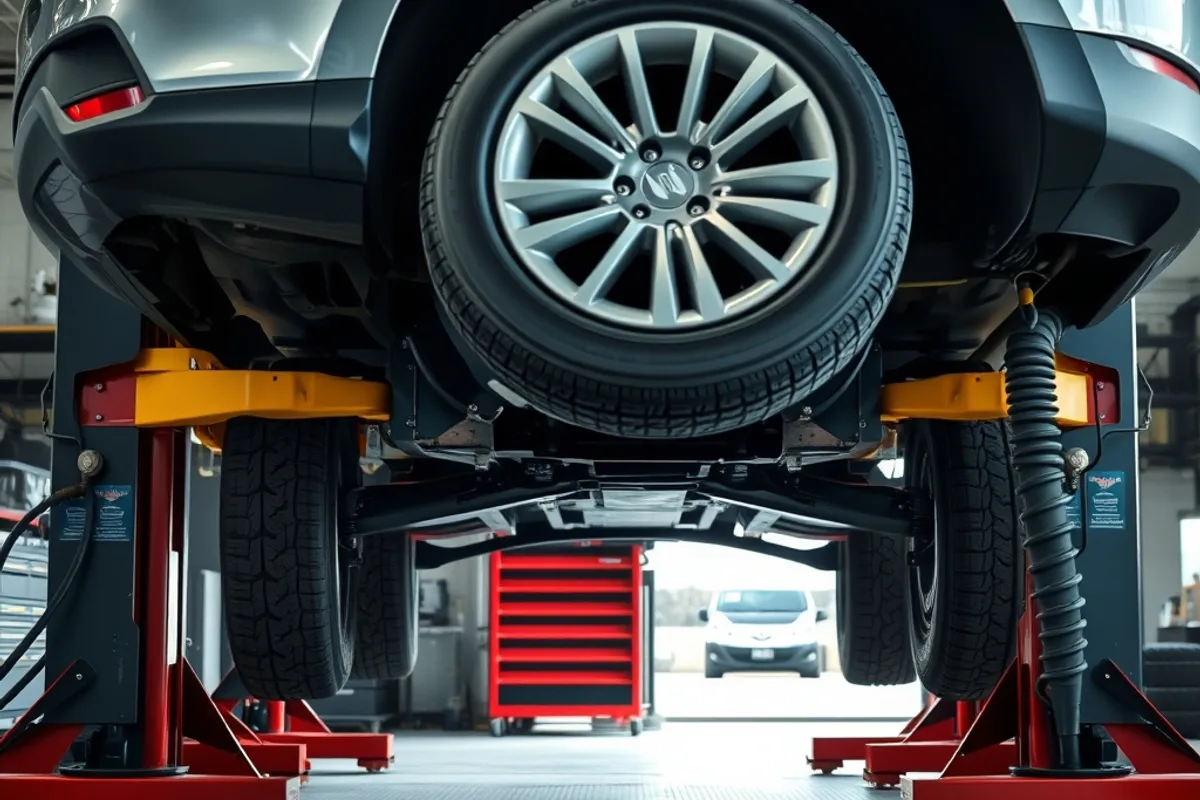
Under-inflation increases the contact patch and can feel grippy in a straight line, but it reduces steering precision and increases the risk of overheating and blowouts at speed. It also allows the sidewall to flex excessively, which is especially dangerous on heavy vehicles and in hot weather.
Over-inflation reduces the contact patch and makes the tyre more prone to damage from potholes and kerbs. It wears the centre tread faster and can reduce wet grip. The fuel saving from running 5 psi above spec is small and not worth the handling trade-off.
For winter tyres, follow the vehicle placard and the tyre manufacturer's guidance. Some winter tyres specify a higher pressure for snow driving. Do not assume the summer setting is correct.
If a tyre keeps losing pressure, have it checked for a puncture, a leaking valve or a corroded bead. A slow leak is a safety issue, not just a fuel issue.
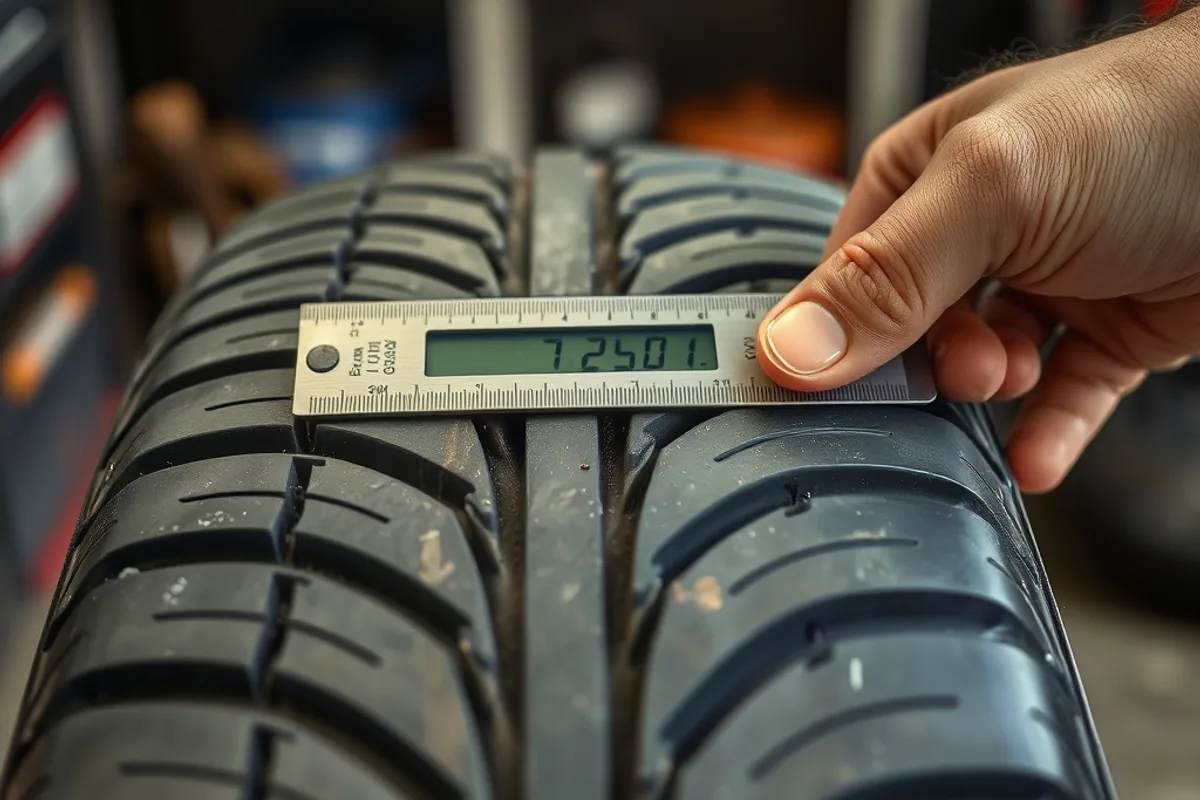
Pressure is only one part of tyre efficiency. Tread pattern, compound and construction determine rolling resistance, and alignment determines whether the tyres scrub sideways. A car with toe-out will wear the inner edges and cost fuel even at the correct pressure. Have the alignment checked after kerb strikes or suspension work.
When replacing tyres, look at the EU tyre label or equivalent for rolling resistance, wet grip and noise. The differences between an A-rated and a G-rated tyre can be several percent in fuel, which matters over the life of the tyre. Do not sacrifice wet grip for a marginal economy gain; the safety trade-off is not worth it.
Finally, weight matters. Every unnecessary kilogram and every roof accessory increases the energy required to move the car. Pressure is the easiest variable to control, but it is not the only one. Combine correct pressure with sensible load and smooth driving, and the fuel log will show it.