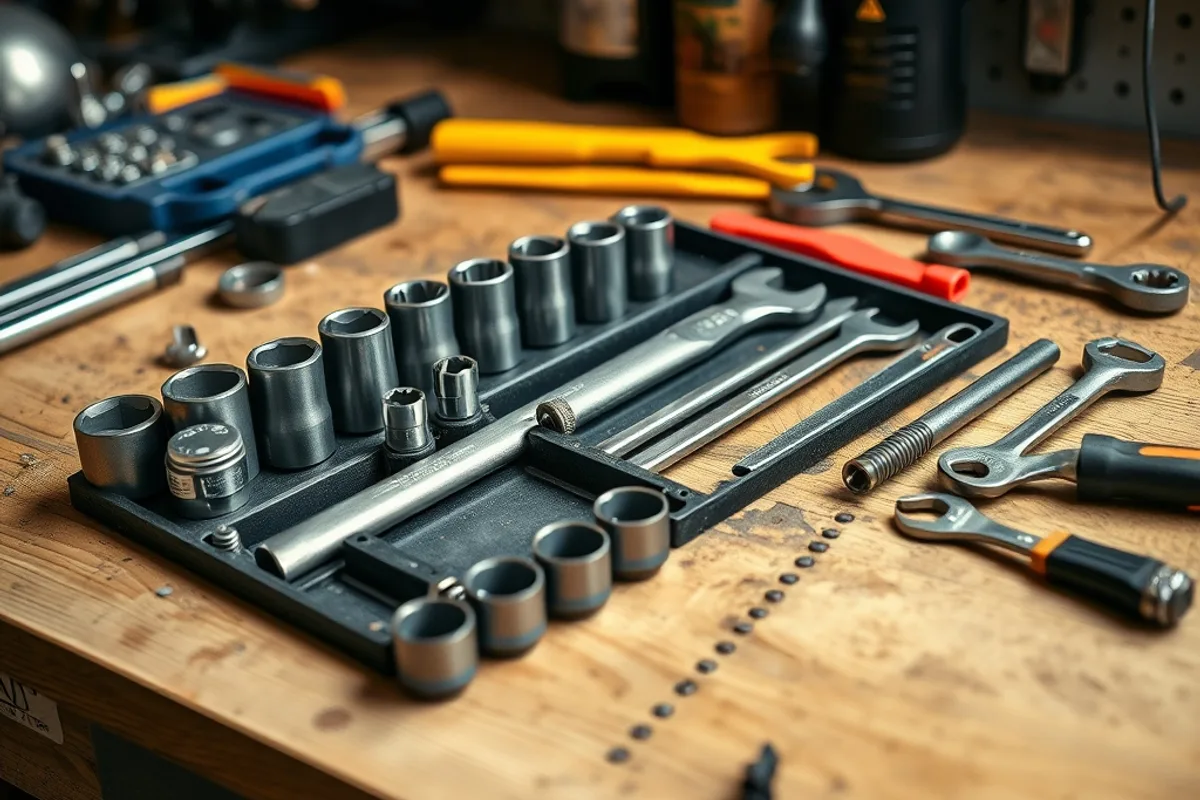
Building a First Garage Toolkit: 20 Tools That Earn Their Bench Space
A practical first toolkit for car owners: the essentials for safety, maintenance and diagnosis, plus what to skip until you need it.
A torque wrench is a measuring instrument, not a breaker bar. Buying the right range and treating it properly matters more than the brand on the handle.
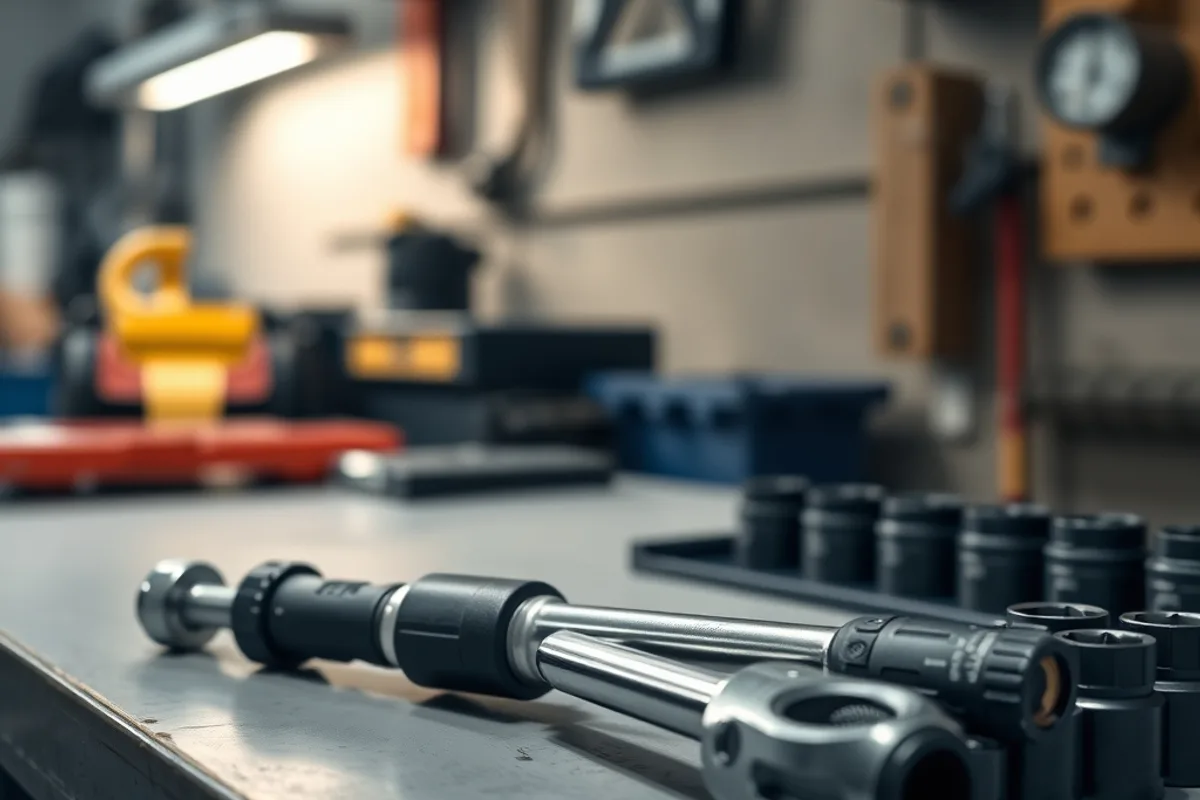
Torque specifications exist because fasteners are springs. Stretch a bolt too little and it loosens; stretch it too much and it yields, fatigues or strips the thread. A torque wrench is the instrument that controls that stretch, which is why it deserves better treatment than the hammer it often becomes.
This guide covers the three common types, how to choose a range, how to use one accurately and how to tell whether yours is still trustworthy.
The most common and the most practical for general work. You set the value on a scale or a micrometer-style collar, then turn until the mechanism clicks. The click is a signal, not a stop; the actual torque is released when the internal spring trips. Quality varies widely, and the click can be subtle on cheap units.
Click wrenches are accurate enough for wheel bolts, suspension components and most engine work when used correctly. They are less suited to production environments where the same fastener is tightened hundreds of times a day.
A flexible beam with a pointer and a scale. It never goes out of calibration in the way a click wrench can, and it shows the torque as you apply it. The downside is that you must read the scale while pulling, often in an awkward position, and the beam can be damaged by overload.
Beam wrenches are excellent for low-torque work and for checking calibration. They are inexpensive and durable, which makes them a good second wrench for a home garage.
Electronic wrenches measure strain or angle and display the value. Many support torque-plus-angle, logging and audible alerts. They are precise and convenient, but they cost more, need batteries and should be checked periodically. For engine work with torque-to-yield bolts, a digital wrench with angle measurement is genuinely useful.
Digital adapters that fit between a ratchet and a socket are a cheaper alternative. They are handy for occasional use, though their accuracy depends on the adapter and the joint stiffness.
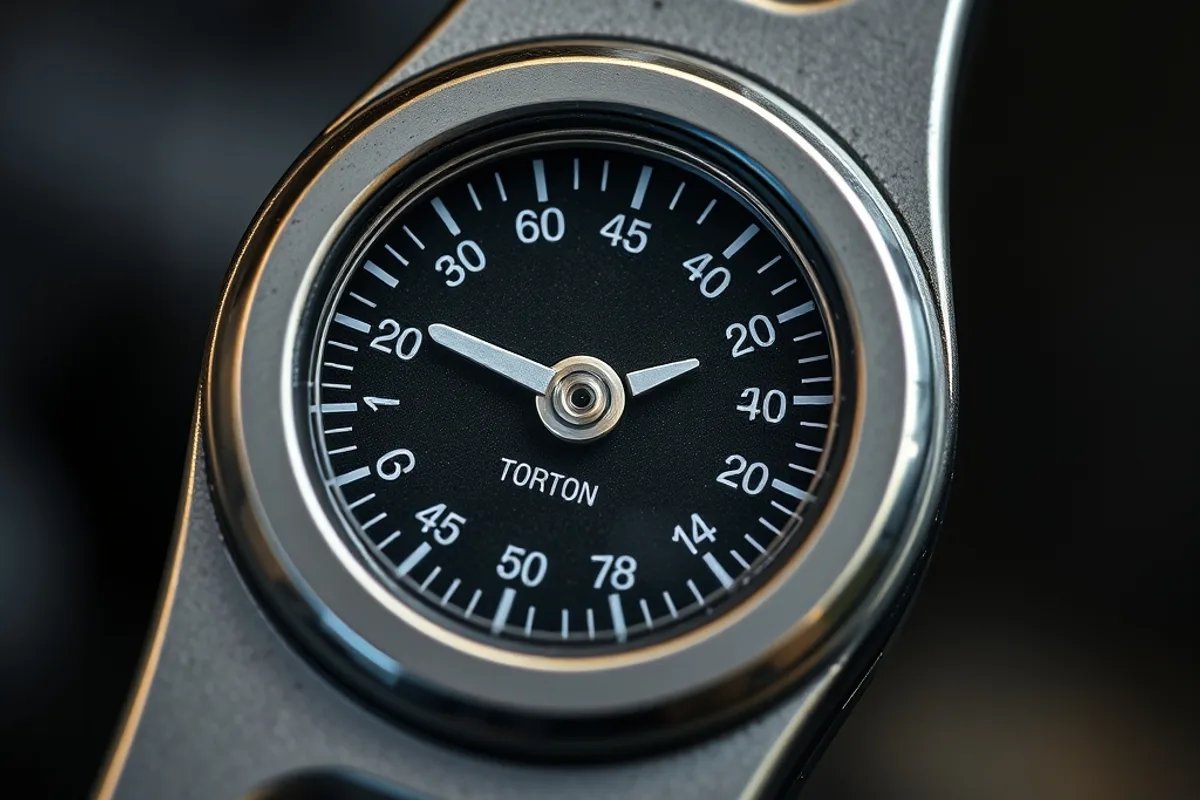
Torque wrenches are most accurate in the middle of their range, typically from 20 percent to 100 percent of full scale. A wrench that reads 10 to 200 Nm is not the best choice for a 12 Nm valve cover bolt. Buy two if your work spans both ends: a 5 to 25 Nm wrench for small fasteners and a 20 to 100 or 40 to 200 Nm wrench for wheels and suspension.
Check the drive size. A 1/2-inch drive handles wheel bolts and suspension comfortably. A 3/8-inch drive is better for engine bays and smaller sockets. A 1/4-inch drive suits delicate work. Adapters add slop and can affect accuracy, so use the right drive where possible.
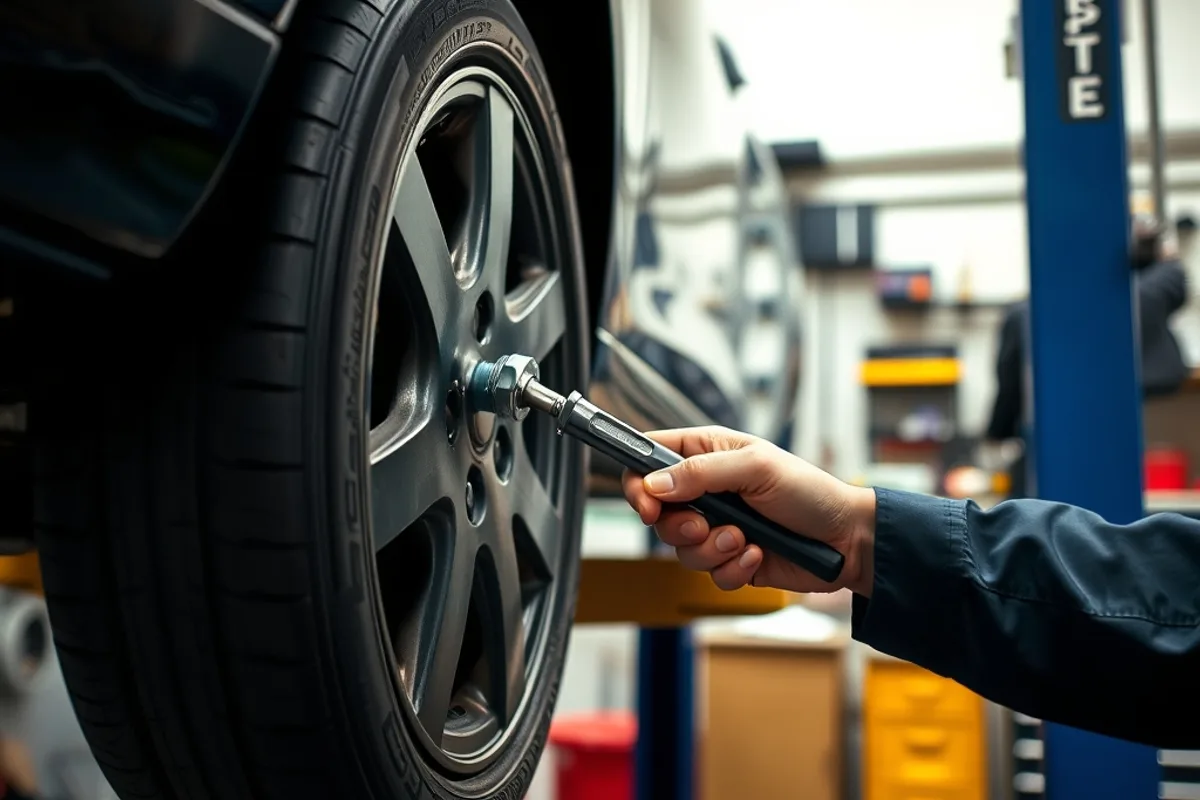
For wheel bolts, a 40 to 200 Nm wrench covers most passenger cars. For a small hatchback with 90 Nm wheel bolts, a 20 to 100 Nm wrench is a better fit. Match the tool to the job rather than buying one enormous wrench for everything.
Keep the wrench aligned with the fastener. Side load bends the beam and changes the reading. Support the head with your other hand when working overhead, and never let the wrench hang on the fastener while you reach for something else.
A torque wrench that has been dropped, used as a breaker bar or stored under load is no longer a measuring instrument. Treat it like a micrometer and it will stay accurate for years.
Click wrenches should be stored at the lowest setting on the scale, not at zero if zero is below the scale. This relieves the spring and reduces drift. Digital wrenches should be stored with the battery out if they will sit for months. Beam wrenches can be stored at any setting, but keep them away from bending loads.
Store the wrench in its case, clean and dry. Moisture and grit damage the mechanism. Do not store it in a toolbox where it can rattle against other tools, and do not use the case as a step.
The old advice to “never store at zero” is partly a misunderstanding: the goal is to unload the spring, which usually means the lowest marked setting. Follow the manufacturer’s instruction, because some mechanisms differ.
For critical work, send the wrench to a calibration lab annually. For general home use, a simple comparison check is enough to catch gross errors. Clamp the drive end in a vice, attach a known weight to the handle at a measured distance, and compare the torque (weight x distance) with the setting. A 10 kg weight at 0.5 m gives roughly 49 Nm.
Alternatively, compare two wrenches against each other on a bolt with a torque adapter. If one clicks much earlier or later than the other, investigate. A beam wrench makes a useful reference because it has no spring to drift.
Any wrench that has been dropped, submerged or used to loosen a stubborn bolt should be checked before it is trusted again. The cost of calibration is small compared with a stripped cylinder head or a wheel that comes loose.
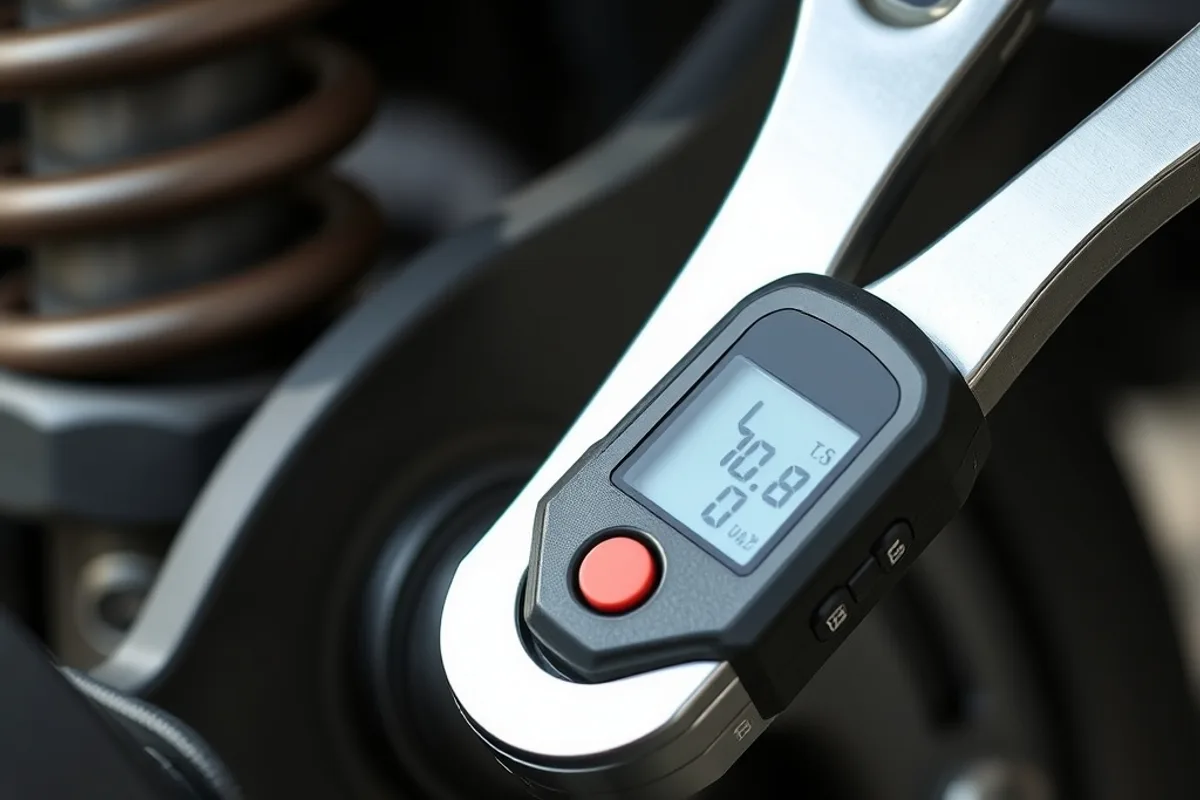
Many modern engine bolts are designed to stretch beyond their elastic limit. The spec is usually a low initial torque followed by a specified angle, such as 30 Nm plus 90 degrees. A click wrench alone cannot measure the angle; use a protractor or a digital wrench with an angle mode.
These bolts are generally single-use. Reusing them can cause head gasket failures or suspension damage. Follow the service manual, including the replacement recommendation and the tightening sequence. This is one area where guesswork is expensive.
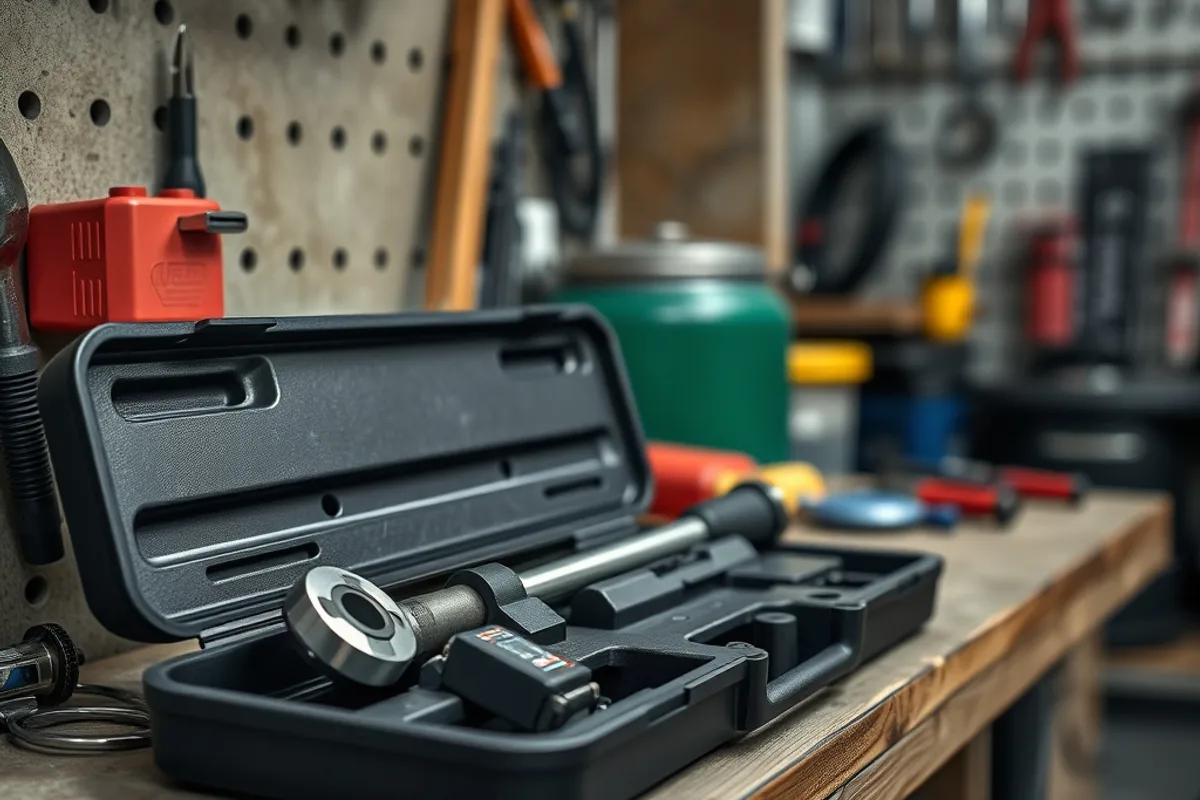
If you are building a garage, start with a 3/8-inch click wrench in the 20 to 100 Nm range and a 1/2-inch wrench for wheels. Add a beam wrench for reference checks and low-torque work. Buy a good socket set before you buy a premium wrench; a sloppy socket can damage fasteners and skew the reading.
Spend on the mechanism, not the finish. A plain, well-made wrench with a clear scale and a positive click is better than a polished tool with vague engagement. Keep the receipt, register the warranty and store it properly. The tool will outlast several cars if you let it.