Torque Wrenches: How to Choose, Store and Recalibrate One
Click, beam and digital torque wrenches compared: range selection, correct technique, storage myths and a simple calibration check you can do at home.
You do not need a wall of chrome to maintain a car. These twenty tools cover the jobs that actually come up, in the order you should buy them.
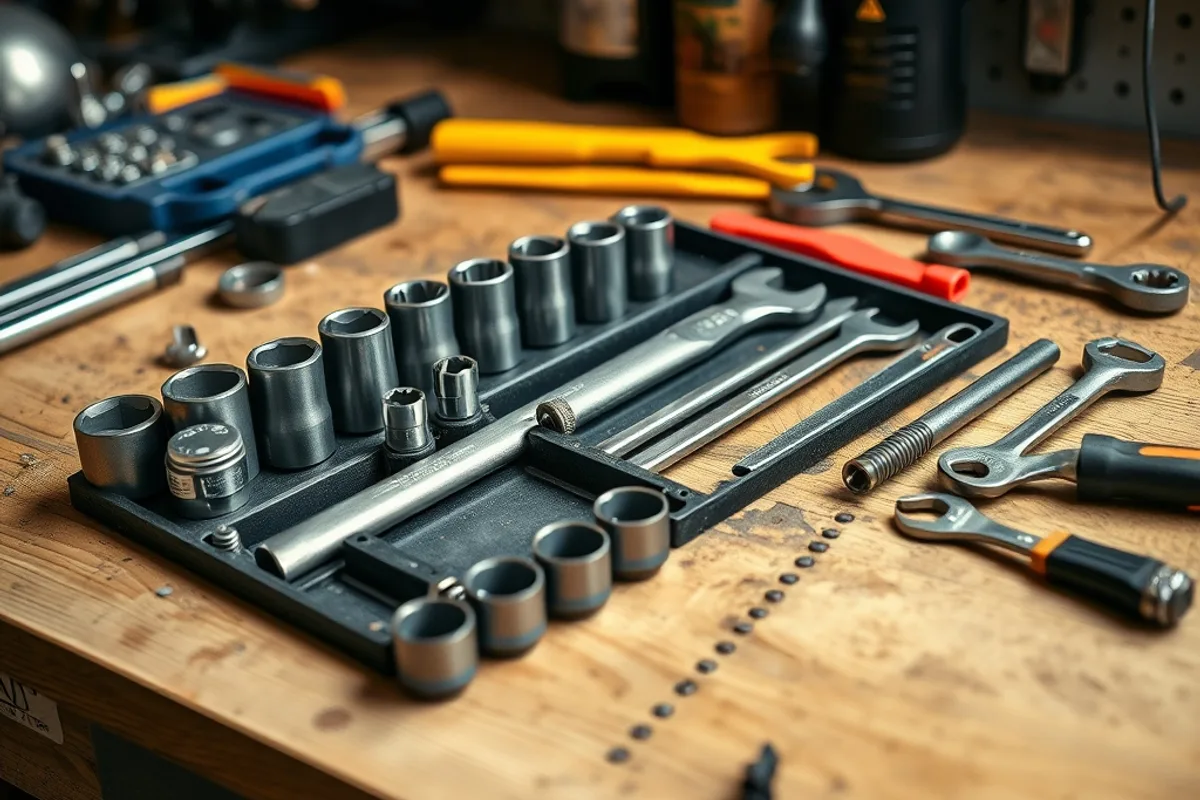
Tool buying is prone to two opposite mistakes: a 300-piece set full of sizes you will never use, or a single adjustable spanner expected to rebuild a suspension. A useful first toolkit is smaller than the catalogues suggest and more specific than a generic household set.
This list is ordered by how often the tool solves a real problem. Buy in tiers, add as jobs demand, and spend the saved money on good jack stands and a decent torque wrench.
A 2-tonne trolley jack is the minimum for most cars; 3 tonnes gives margin for SUVs and vans. Buy one with a low starting height if your car is lowered, and check the lifting range against the jacking points. A scissor jack is for emergencies, not regular maintenance.
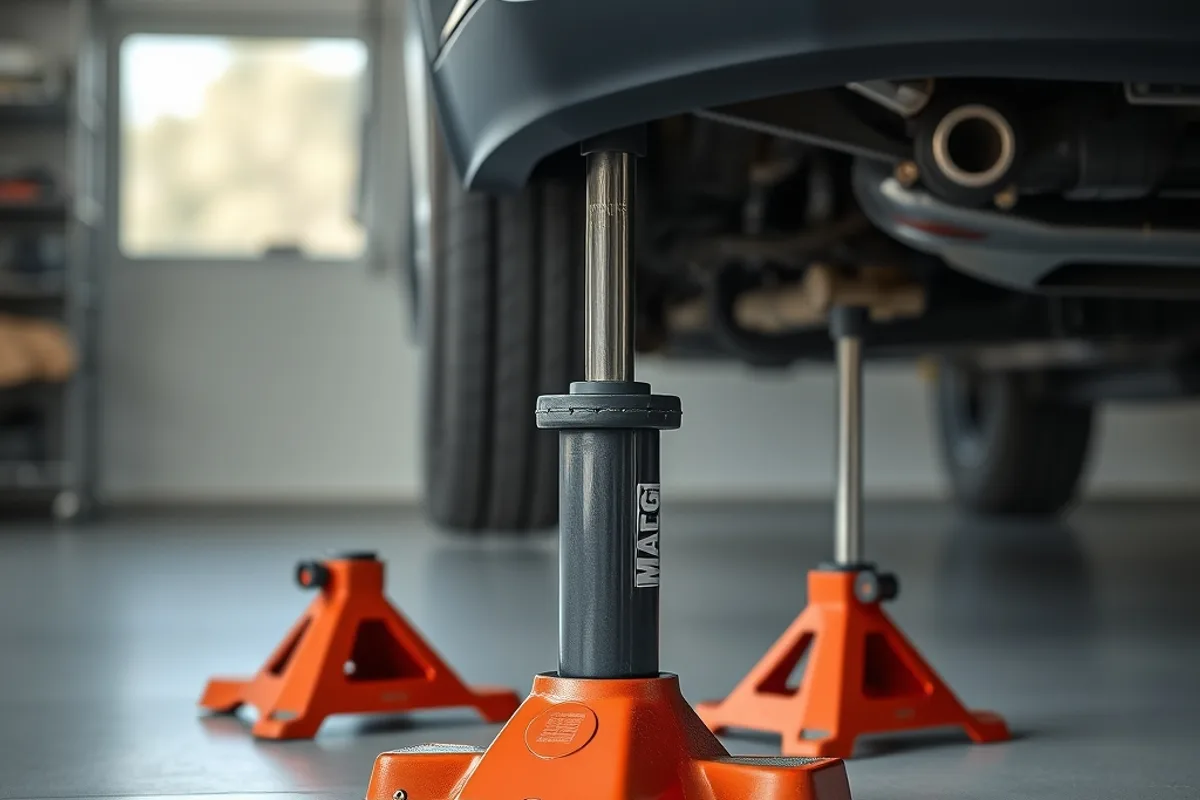
Never work under a car supported only by a jack. Two or four stands rated well above the vehicle weight, with a stable base and a locking pin, are non-negotiable. Place them under the manufacturer’s jacking points or subframe, not under the floorpan.
Cheap and essential. Chock the wheels that stay on the ground before lifting. A brick works in an emergency; a proper rubber chock works every time.
Nitrile gloves for fluids, cut-resistant gloves for sharp edges, and safety glasses for anything under the car or involving a grinder. Buy a box of each and keep them where you can reach them.
A rechargeable LED light with a magnetic base and a hook. Good light prevents mistakes and makes the job faster. A head torch is useful for tight spaces.
Look for six-point sockets in 8 to 19 mm, deep sockets in the common sizes, extensions, a universal joint and a ratchet with fine teeth. Six-point sockets grip worn fasteners better than twelve-point. A 1/2-inch set can wait until you tackle suspension or wheel work.
8 to 19 mm covers most fasteners. Buy a reputable brand with a comfortable beam; cheap chrome can flake. Ratcheting spanners are convenient but add bulk and can fail under load.
Phillips and Pozidriv in several sizes, flathead in several widths, and a stubby for tight spaces. A bit-driver handle with interchangeable bits is compact and versatile. Do not use a screwdriver as a pry bar.
Combination pliers, needle-nose pliers and side cutters. Add locking pliers (Vise-Grips) for rounded bolts and hose clamps. These are the tools you reach for constantly.
One good 250 mm adjustable wrench handles odd nuts and plumbing-style fittings. It is not a substitute for the correct spanner, but it earns its place.
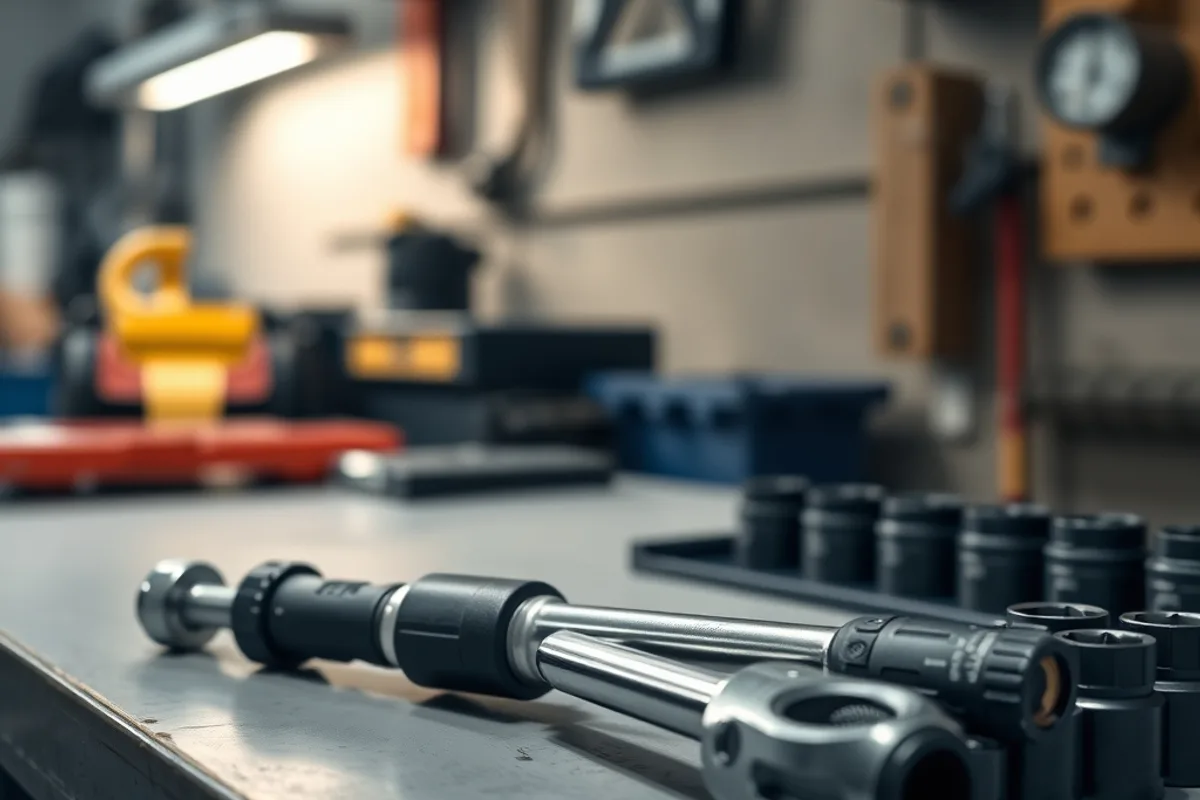
A 3/8-inch wrench covering 20 to 100 Nm handles most engine and chassis fasteners. Add a 1/2-inch wrench for wheel bolts. Store it at the lowest setting and recalibrate periodically.
A quality gauge and a portable inflator let you maintain pressures without a forecourt visit. A digital inflator that stops at the set pressure is faster and more accurate than guessing.
A 6 to 8 litre pan with a spout and a screw cap, plus a funnel that fits the oil filler. Add a set of nitrile gloves and a bag for used oil. Dispose of oil at a recycling centre, not in the bin.
Choose the type that suits your filter housing: a strap, a cup or a socket. Buy it before the first oil change, not after you have destroyed the old filter.
A small tray, absorbent pads and a spray bottle of degreaser make cleanup manageable. A clean workspace is safer and faster.
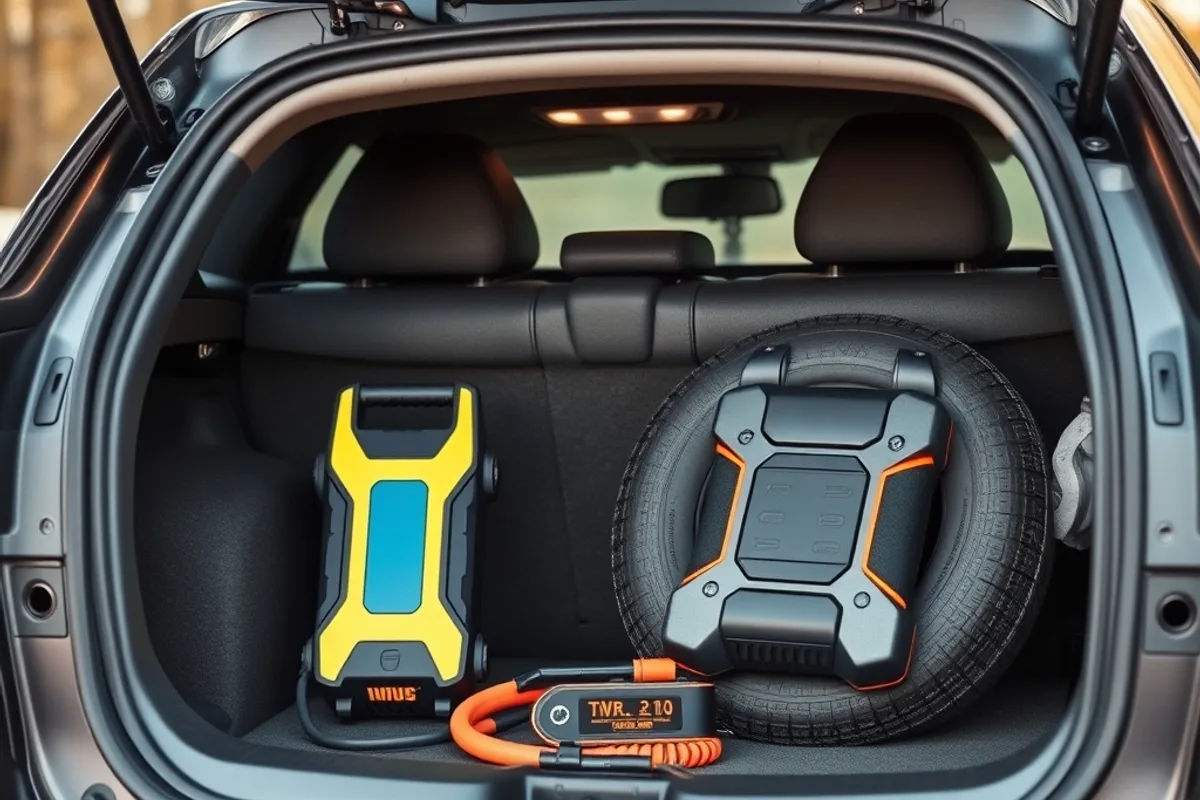
A smart charger maintains a battery during storage and recovers a flat one. A portable lithium jump pack lives in the boot and saves you from relying on strangers. Both are cheaper than a tow.
A basic Bluetooth dongle and an app can read and clear engine codes, view live data and check readiness monitors. A dedicated handheld scanner is faster for regular use. This is the tool that tells you whether a problem is a sensor, a wiring fault or a mechanical issue.
A cheap digital multimeter tests fuses, relays, continuity and battery voltage. Learn the three basic modes and keep it in the toolbox. Electrical diagnosis without one is guesswork.
Modern engine bays are full of spring clamps and plastic trim. The right pliers save knuckles, and a trim tool set prevents broken clips. Inexpensive and frequently used.
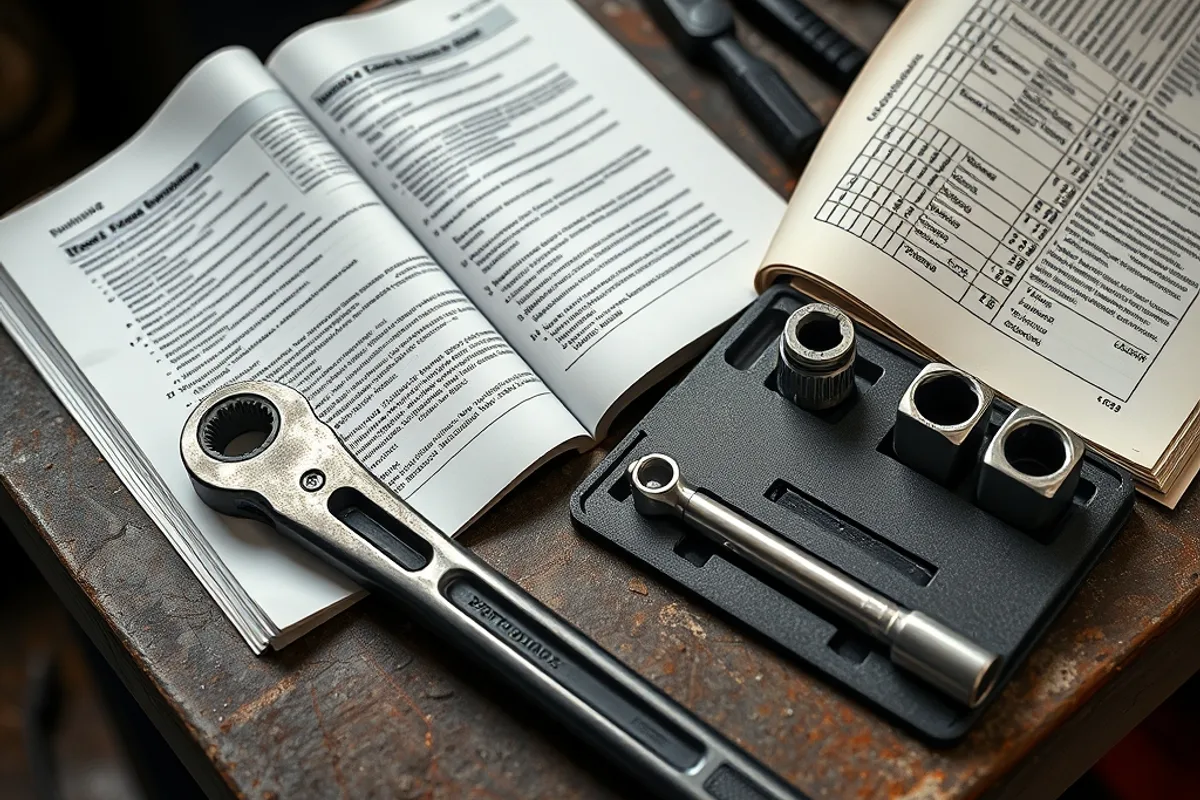
Torque specs, fluid capacities and procedures matter. A factory service manual or a reputable subscription is a tool, and often the most valuable one on the list. Do not rely on a forum post for a cylinder head sequence.

Impact wrenches, engine cranes, diagnostic oscilloscopes and specialty press tools are excellent when a job needs them and expensive clutter otherwise. Borrow or rent for one-off tasks. Buy them when you have a specific project and the space to store them safely.
Large socket sets with 200 pieces often include sizes you will never touch. A focused set in the sizes your car actually uses is better value. Check the fasteners on your own vehicle before buying; some cars use Torx, E-Torx or security bits that a generic set omits.
Start with Tier 1 and the core hand tools. Add maintenance items as you take on oil changes, brakes and battery work. Buy the best version of tools you use weekly and the cheapest acceptable version of tools you use once a year. That rule keeps the budget balanced.
Keep everything in one place. A rolling tool chest or a wall-mounted board makes tools visible and reduces duplicate purchases. Label sockets and keep the manual with the car’s service records. A tidy toolkit is a faster toolkit.
An oil and filter change, a tyre rotation and a brake pad inspection cover most of the skills and most of the tools above. Do that job first, then add tools as you encounter fasteners and procedures you cannot handle. The kit will grow around your car rather than around a catalogue.
The best toolkit is not the largest one. It is the one you can use safely, find quickly and trust when a fastener matters. Twenty good tools will carry you further than two hundred mediocre ones.