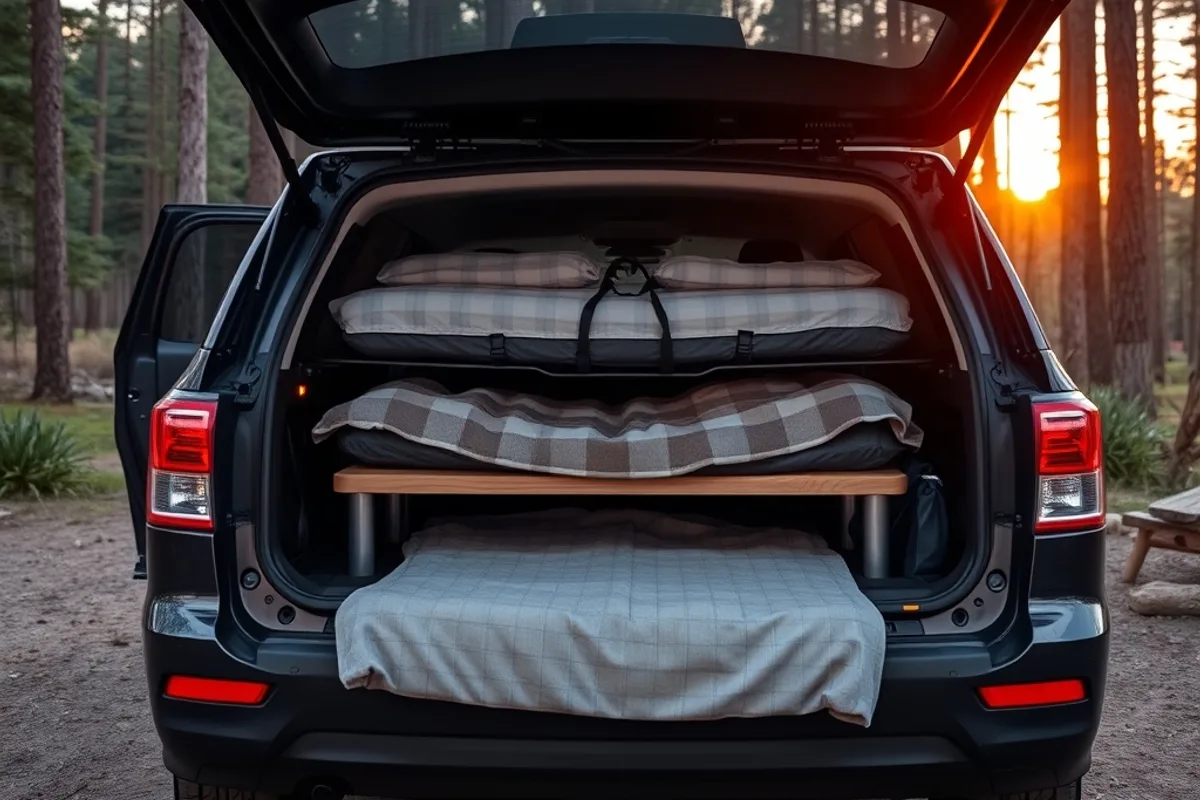
Sleeping in Your Car: Choosing a Vehicle and Setting It Up for Camping
A practical guide to car camping: vehicle choice, sleeping platform dimensions, ventilation, power, condensation and safe overnight parking.
A road trip is a reliability test. This is the inspection and packing routine we use before a long drive, in the order that matters.
Long drives expose weak components. A coolant hose that weeps on short trips becomes a roadside failure at 1,000 miles, and a tyre with marginal tread becomes an aquaplaning risk in a summer storm. The point of pre-trip preparation is not to rebuild the car; it is to find the small failures before they become trip-ending ones.
This checklist is ordered by consequence. Do the safety items first, then the comfort and convenience items. A day of preparation buys a lot of peace of mind.
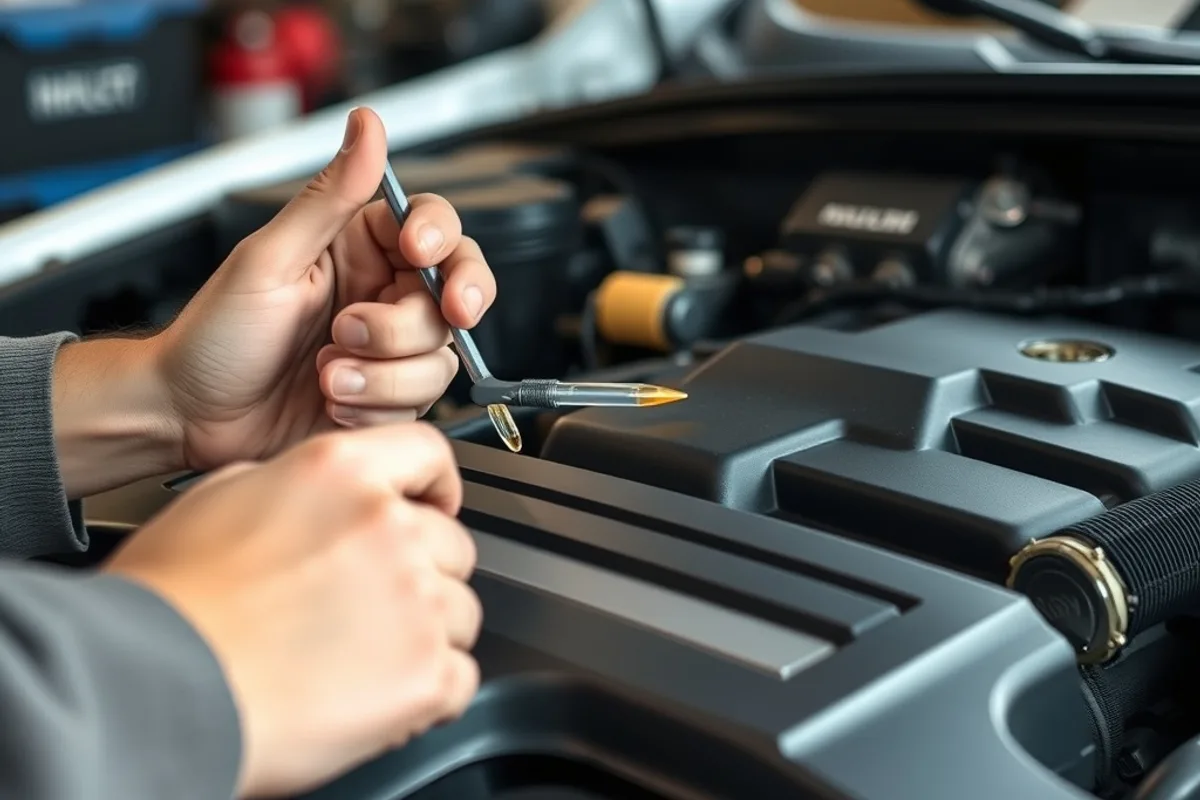
Start with the service history. If the car is due for an oil change, do it before the trip. Fresh oil is cheap insurance, and a workshop inspection may catch a worn belt or a leaking seal. Ask them to check the brakes, suspension, steering and cooling system while the car is on the lift.
If you do your own inspection, work through these in order:
Check tread depth across the full width of each tyre, including the inner edges where alignment wear hides. Look for cuts, bulges and embedded objects. Check the spare or repair kit and make sure the jack and wheel brace are present and usable. Set pressures cold to the loaded specification.
Check pad thickness, disc condition and brake fluid level. Look for leaks at the calipers and flexible hoses. If the pedal feels soft or the car pulls under braking, fix it before the trip. Brakes are not a roadside improvisation.
Engine oil, coolant, brake fluid, power steering fluid, transmission fluid and washer fluid. Top up to spec, but investigate any significant loss rather than just refilling. A disappearing coolant level is a warning, not a maintenance task.
Check hoses for soft spots, cracks and bulging. Look at the radiator fins for debris and corrosion. If the car has a timing belt due, do it before a long trip. A pressure test at a workshop is worthwhile on an older car, especially if the route includes mountains or hot weather.
Test the battery voltage and inspect the terminals for corrosion. A battery near the end of its life can fail at a rest stop. Carry a jump pack and know how to use it.
Inspect the accessory belt for cracks and glazing. Check the tensioner if accessible. Replace anything that looks marginal; belts are cheap and a failure can strand you.
Test every exterior light, including brake lights and indicators. Replace worn wiper blades and fill the washer reservoir with a screen-wash suitable for the climate. Visibility is safety.
Pack the car before the morning of departure and drive it around town. You will discover rattles, poor visibility and luggage that does not fit. Adjust before the trip, not at the first fuel stop.
Keep heavy items low and forward of the rear axle. Secure everything so it cannot become a projectile in a sudden stop. A cargo net or straps are inexpensive and effective. Do not stack luggage above the seatbacks if it blocks the rear window.
Check the roof load limit if using a roof box or bike rack. Roof load changes the centre of gravity and increases fuel consumption, especially at speed. Remove empty racks when they are not needed.
Plan fuel stops for remote sections and note the range of the car realistically, not the brochure figure. In mountains, headwinds or extreme heat, range drops. Carry a jerry can only if it is legal and safely mounted; a loose can in the boot is a hazard.
Do not carry so much that the car is overloaded. Check the payload rating and weigh the load if you are unsure. A heavily loaded car needs higher tyre pressures and longer braking distances.
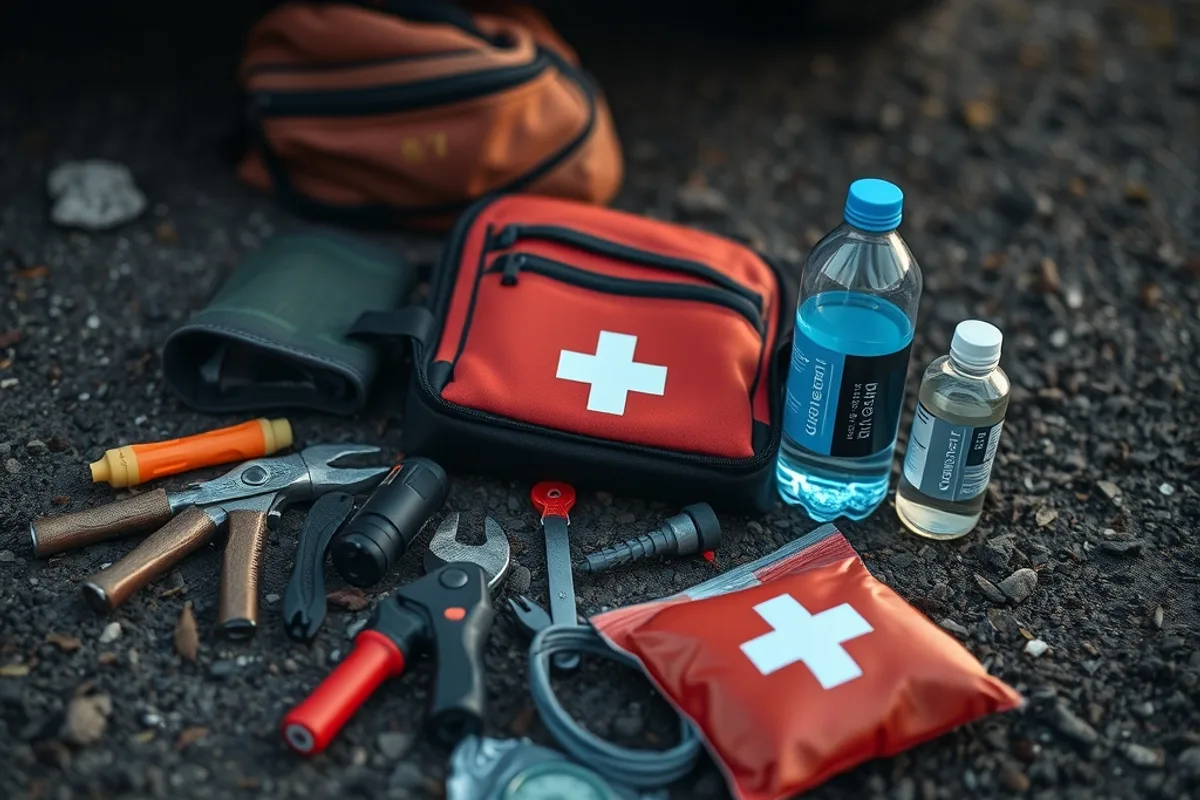
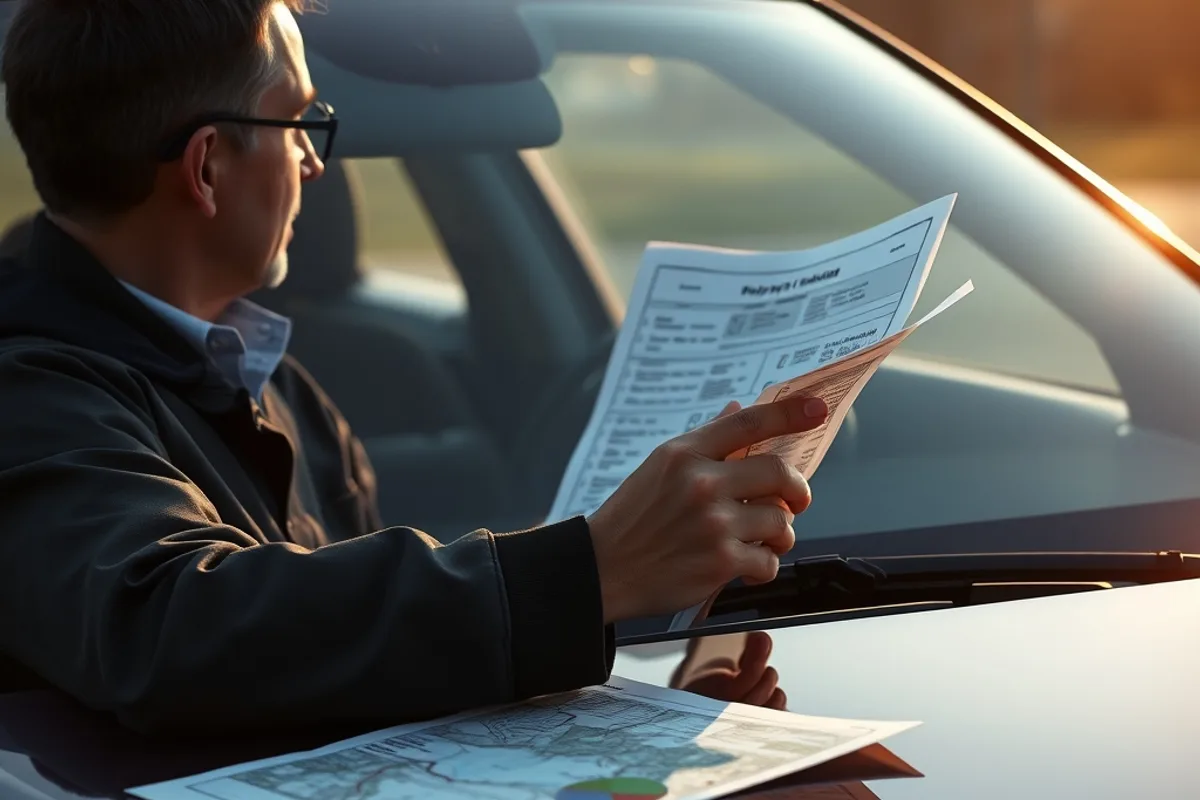
Check that the driving licence, insurance, registration and roadside assistance details are current. Save digital copies and keep paper copies in the glovebox. If crossing borders, confirm the documentation and any vehicle requirements well in advance.
Download offline maps for the route and any remote sections. Share the itinerary with someone at home, including expected arrival times and a check-in schedule. A simple text at each major stop is enough.
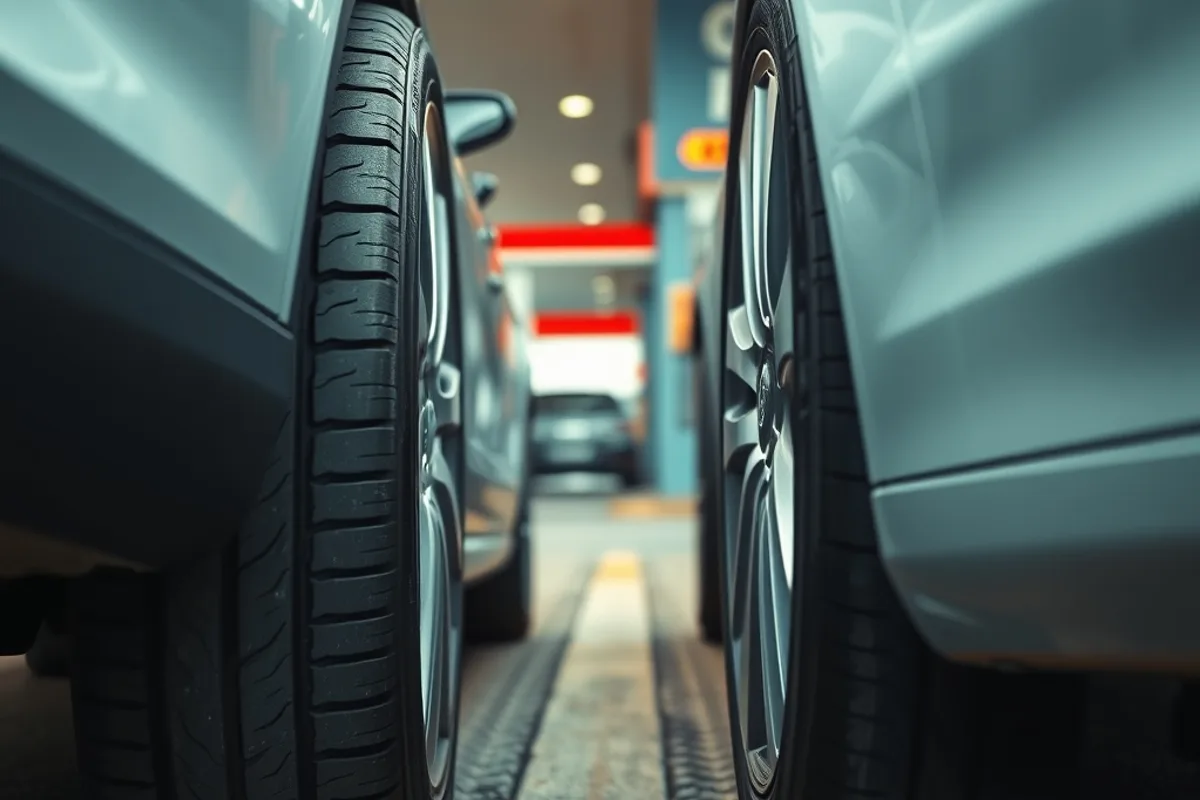
Every morning, walk around the car. Look at the tyres, the lights and the ground beneath the engine for fresh leaks. Check the oil and coolant if the car is older or the trip is long. Clean the windscreen and mirrors. It takes five minutes and catches most developing problems.
At fuel stops, check the tyre pressures if the car is heavily loaded and the ambient temperature has changed significantly. Look at the brake discs through the wheels for unusual heat or scoring. Listen for new noises and investigate them early; a small noise is cheaper than a breakdown.
Take a break every two hours. Fatigue is a bigger risk than mechanical failure on most long drives. Share driving if possible, avoid heavy meals before long stints, and stop when concentration slips. Motorway driving is monotonous; use it deliberately rather than enduring it.
Keep a steady speed and anticipate traffic. Hard acceleration and late braking increase fuel use and wear. On mountain roads, use engine braking on descents and avoid riding the brakes. If the brakes fade, stop and let them cool; do not continue at speed.
Check the car again before driving home. Long trips accumulate small issues: a slow puncture, a chipped windscreen, a worn wiper. Clean the car and inspect the tyres and brakes when you get back. A post-trip wash reveals damage that road grime hides.
Write down anything that felt odd during the trip and address it within the first week. A vibration at speed or a new noise is easier to diagnose while the memory is fresh. The best road-trip prep is a habit of paying attention, not a one-off checklist.