Vehicle Prep for a 3,000-Mile Road Trip: A Checklist That Works
A practical pre-road-trip checklist covering fluids, tyres, brakes, cooling, load planning, emergency kit and daily checks on the road.
Car camping is cheap, flexible and easy to get wrong. Here is how to choose a vehicle, build a flat bed and manage ventilation, power and condensation.
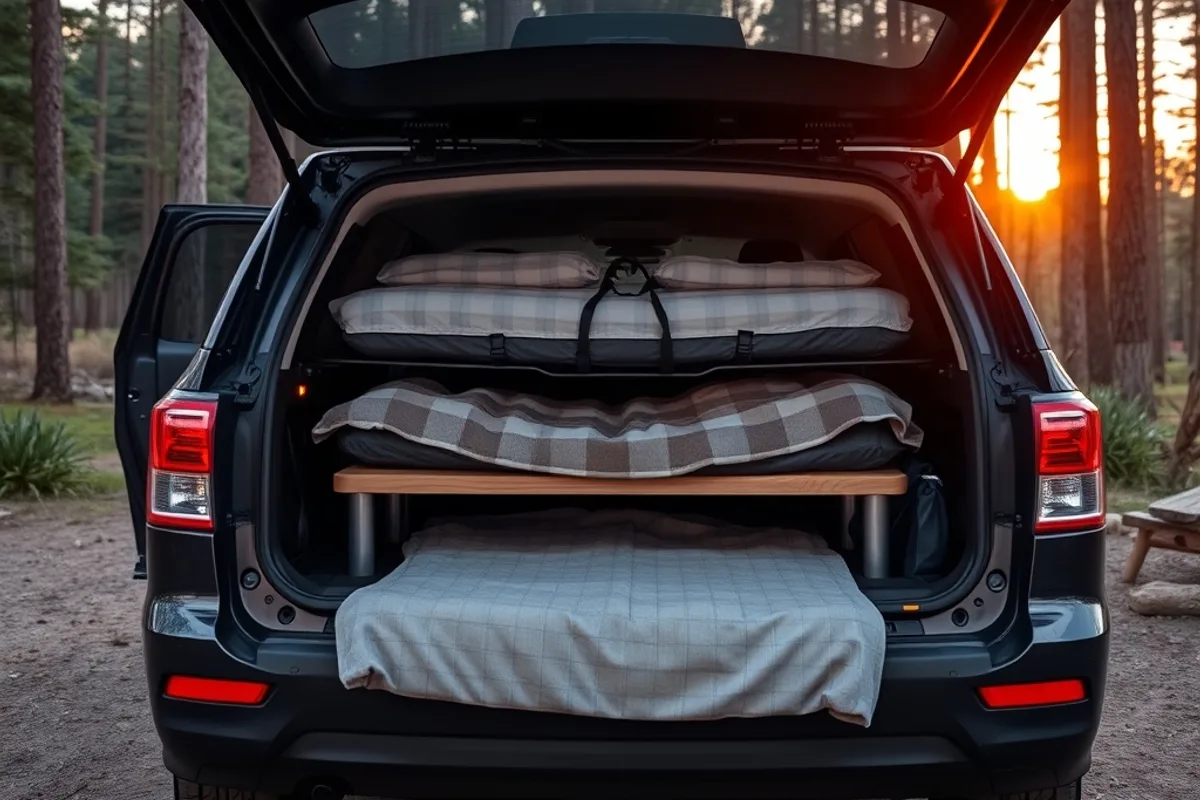
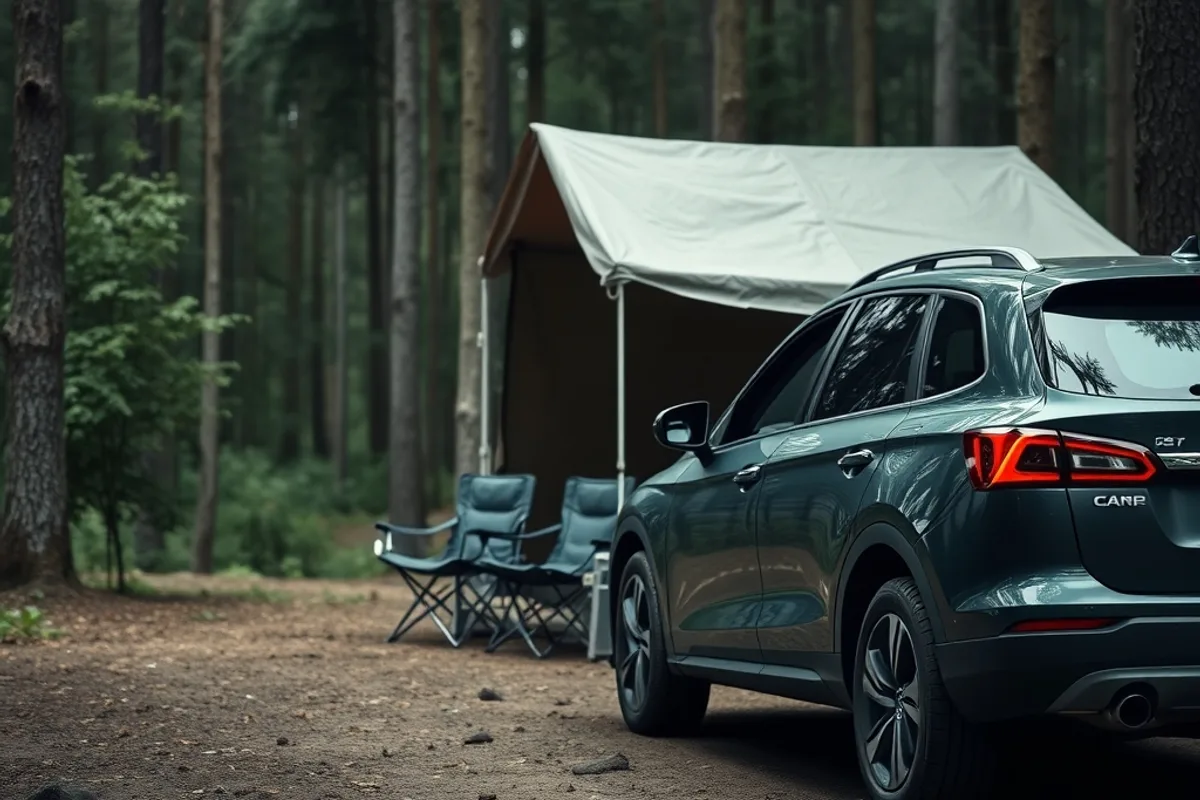
Car camping sits between backpacking and a hotel: you sleep in or beside the vehicle, carry more comfort than you could on foot, and stay mobile enough to move when the weather or the mood changes. It is also the fastest way to discover that a car is not a tent and a tent is not a bed.
This guide covers the vehicle, the sleeping setup, ventilation, power and the practical rules that make overnight car camping comfortable and legal.
The best car-camping vehicle is the one you already own, provided you can sleep flat in it. Length matters most. Measure from the back of the front seats, with them adjusted for driving, to the tailgate. You need at least 180 cm for an average adult to lie straight, or 190 cm for comfort. Many compact hatchbacks fall short; estates, MPVs, SUVs and vans usually work.
Height matters for sitting up. A vehicle with a high roof lets you dress and cook inside; a low car is for sleeping only. Ground clearance matters if you plan to reach remote trailheads, but most car camping happens on paved or graded roads.
Consider the floor. A flat load floor with a low lip is easier to convert than a deep well with folding seats that leave a step. Removable rear seats create more space but reduce passenger capacity. Think about how the car will be used the other 50 weeks of the year.
If you are buying specifically for camping, a small van is the most practical: flat floor, standing height in some models, and room for a permanent bed with storage underneath. A wagon is the next best compromise, with better fuel economy and everyday usability.
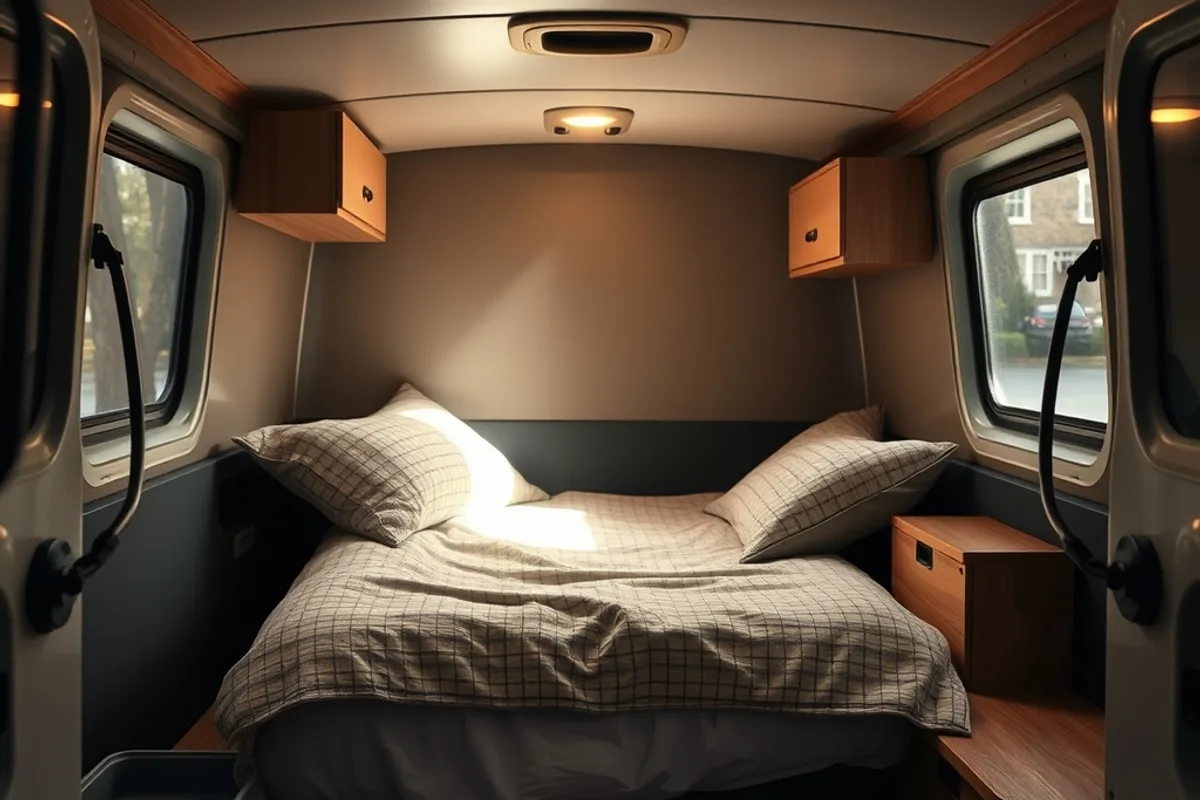
The simplest setup is a folding mattress or a thick foam pad laid over a flat floor. If the seats do not fold flat, build a low platform to level the surface. Plywood on a simple frame is enough; it does not need to be furniture-grade.
Measure the interior at the height you will sleep, not at the floor. Wheel arches and seat brackets intrude. Allow a few centimetres of clearance for bedding and for the tailgate to close. A platform that is too wide is worse than one that is slightly narrow.
Use 12 to 15 mm plywood for the top, with battens underneath for stiffness. Seal the edges and cover the top with a washable surface or a fitted sheet. Ventilation holes are not necessary in the platform, but access hatches for storage are useful. Keep the structure low so you can sit up without hitting the roof.
For a single sleeper, a 70 cm wide bed is adequate; for two, aim for 130 to 140 cm. A standard double mattress is 135 cm wide, which fits in many vans but not in most cars. Custom foam cut to shape is often the best solution.
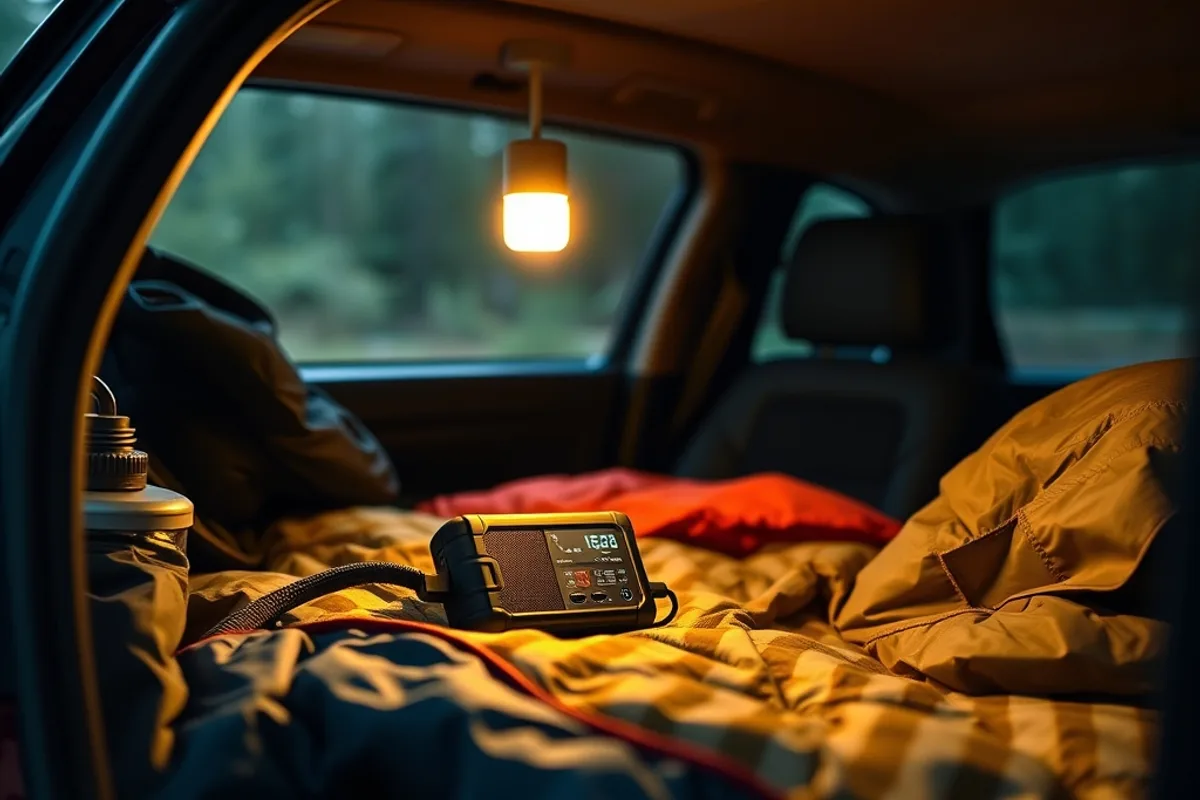
Cold comes from below as much as above. Insulate the platform with a foam mat or a closed-cell camping pad, then add a sleeping bag rated for the conditions. A quilt on top is easier to adjust than a fully zipped bag. In hot climates, prioritize airflow over insulation.
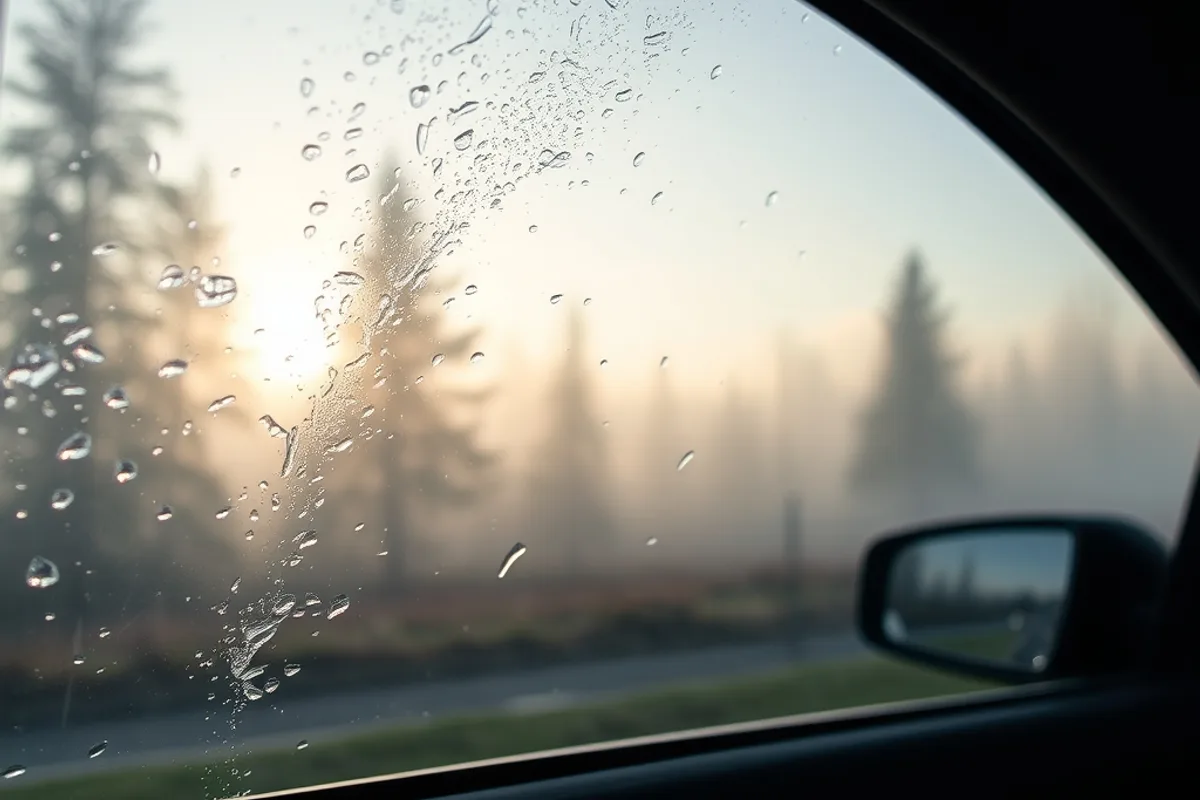
Condensation is the enemy of a comfortable night. Moisture from breathing condenses on cold glass and metal. Leave a window cracked on the downwind side, use wind deflectors so rain cannot enter, and add a small USB fan to move air. A microfiber cloth for wiping glass in the morning is worth packing.
Never sleep with the engine running. Exhaust gases can enter the cabin through seals, cracks or the tailgate, and carbon monoxide is invisible and odourless. The same applies to portable fuel-burning heaters, camping stoves and generators. If you need heat, use a properly vented system designed for the vehicle, or sleep in a well-insulated bag.
Crack at least two windows, ideally on opposite sides, to create cross-ventilation. Insect screens are cheap and make open windows practical in summer. In rain, use wind deflectors or a tarp over the tailgate to keep the interior dry while allowing air in.
A battery-powered CO detector is a sensible addition if you camp in cold conditions or use any fuel-burning equipment near the vehicle. It is small, cheap and provides an early warning. Treat any alarm as a real event and get out into fresh air.
A portable power station in the 300 to 700 Wh range runs lights, a phone, a laptop and a small fan for a few days. It will not run an electric heater or a kettle for long. Match the capacity to the devices you actually use, and charge it from the car while driving or from a campsite hookup.
Solar panels are useful for longer trips, but they are slow and depend on weather. A 100 W folding panel might add 300 to 500 Wh on a good day. Do not plan on solar as the only source unless you have tested it.
Keep the car battery for the car. Use a jump pack as a backup and avoid running accessories from the vehicle battery for long periods. A split-charge system is the proper solution for permanent setups, but it is overkill for occasional weekends.
A simple setup works: a small stove, a pot, a kettle, a cutting board, a knife and a box for dry goods. Cook outside the vehicle, never inside, and keep fuel and food separate. A folding table makes cooking easier and keeps the car interior clean.
Storage boxes that slide under the platform keep the bed clear. Label them by category: kitchen, clothes, tools, bedding. Soft bags are easier to pack around curves than hard cases. Keep a small bag for essentials, such as torch, water, keys and phone, where you can reach it without unpacking the car.
Leave no trace. Carry out all rubbish, including food scraps, and use designated toilets or a proper portable system. Washing dishes should happen away from water sources with biodegradable soap, and grey water should be disposed of responsibly.
Rules vary enormously. Some countries allow overnight parking in designated areas; others prohibit sleeping in vehicles on public roads. Always check local regulations and land ownership. A lay-by that looks quiet may be private land or subject to a council ban.
Campsites are the safest and most predictable option, with toilets, water and a legal place to stay. Wild camping is possible in some regions but often restricted. If in doubt, ask a local or choose a campsite. A fine or a confrontation at midnight ruins the trip more than a campsite fee.
Respect other users. Do not block access, do not leave engines idling, and keep noise low. Arrive late and leave early if you are in a sensitive area. The freedom of car camping depends on people behaving responsibly.
Start with one night close to home. Pack the car, build the bed in the driveway, and sleep in it before you commit to a long trip. You will learn more about comfort and ventilation in one night than in a month of research. Adjust the setup, then try a weekend at a campsite with facilities.
Car camping rewards simplicity. A flat bed, a warm bag, a way to make coffee and a dry place to sit are enough for most trips. Everything else is optional. Build the basics first, and add comfort only after you have used the setup in real conditions.